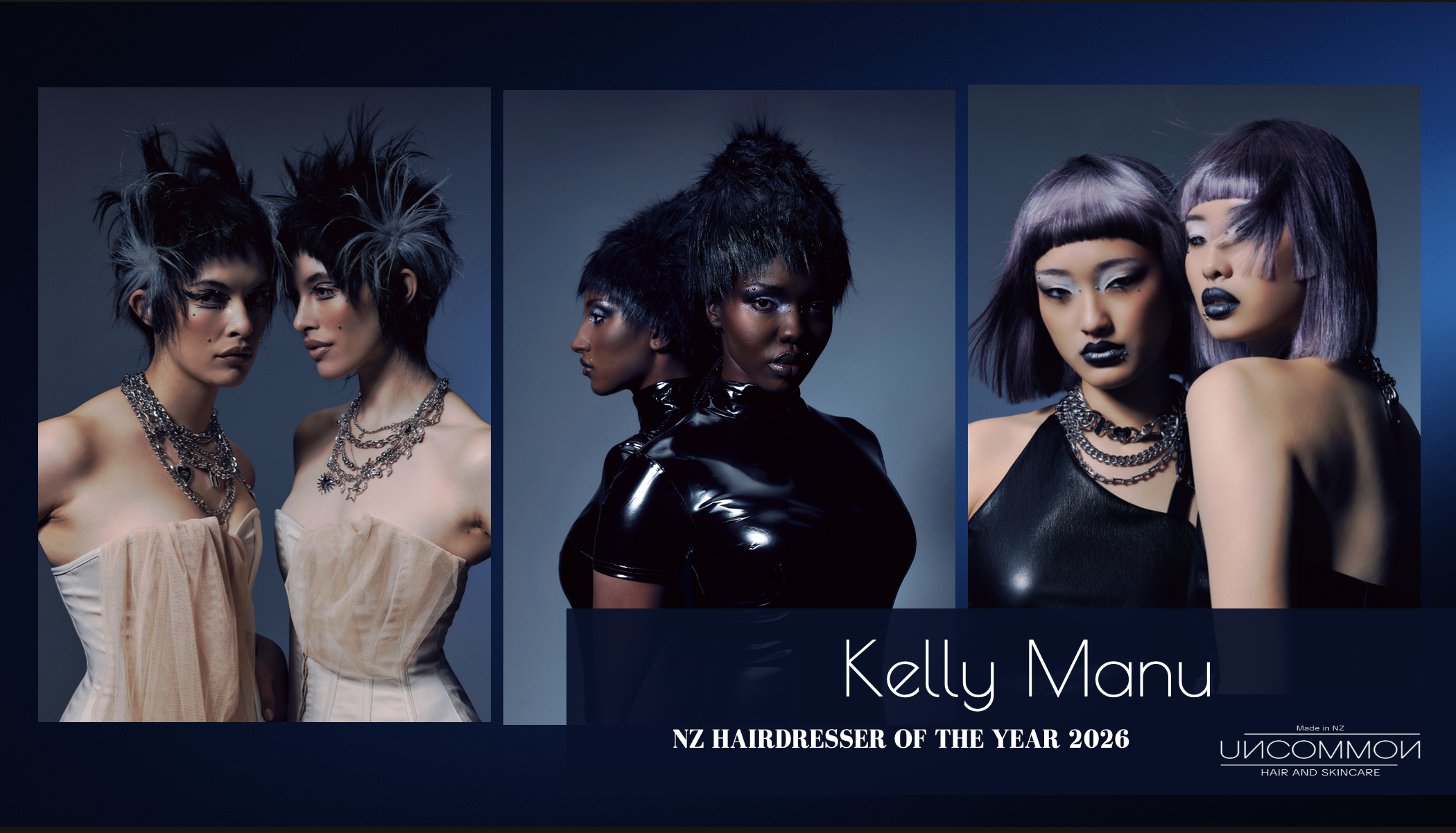
In First Place
Exploring the People the Process & Passion behind the work
Kelly Manu
NZ Hairdresser of the Year 2026
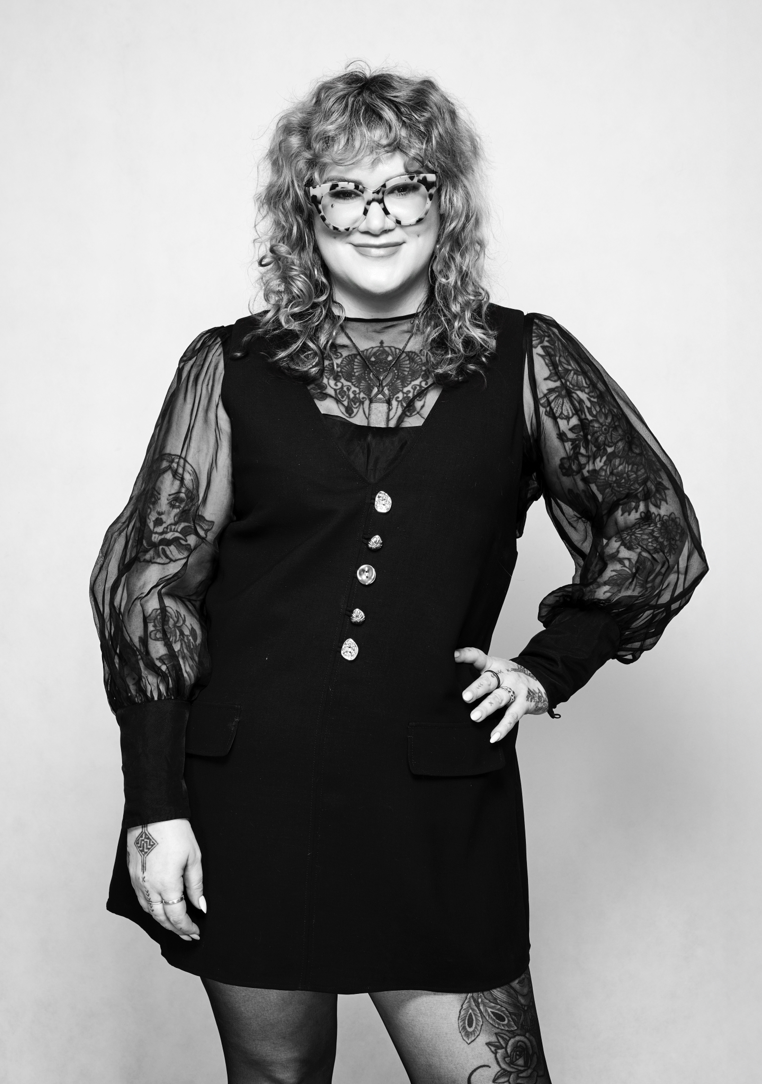
Few achievements in New Zealand hairdressing carry the weight of Industry Collective’s NZ Hairdresser of the Year. For Kelly Manu, the title represents far more than a trophy—it is the culmination of years of persistence, creative growth, self-belief and a willingness to keep showing up.
Kelly's journey has been shaped by a deep commitment to creativity and the process of making work. She understands that an award-winning collection is never simply about the finished image, but about the planning, experimentation, collaboration and people who bring an idea to life.
In this interview, Kelly reflects on the journey to finally achieving a goal she had carried for years, the realities of staying committed when the results don't go your way, and the importance of building a creative team around you. Ultimately, her story is less about winning a title and more about what it takes to become the person ready to win it.
THE JOURNEY TO FIRST PLACE
Winning NZ Hairdresser of the Year was the culmination of a goal Kelly had carried for years. But her story isn't simply about persistence in pursuit of a title. It's about learning to accept setbacks, Understanding that awards are subjective, and continuing to create because the process itself matters.
What did winning NZ Hairdresser of the Year mean to you personally? Had it been something you’d been actively chasing for a long time?
“Winning NZ Hairdresser of the Year meant so much to me personally. It felt like a reminder that the things you dream about are possible when you keep backing yourself, keep learning, and keep showing up. It had definitely been something I wanted for a long time, but I think you have to grow into the person who is ready to hold something like that. It wasn’t just about the title - it represented years of work, resilience, and belief.”
There can be a lot of years between deciding you want an award and actually winning one. How much stickability do you think is required to keep putting yourself forward when the result doesn’t go your way?
“It takes a huge amount of stickability, because creative work is so personal. When you put everything into a collection and the result doesn’t go your way, it can feel really exposing. But I also think you have to understand that awards are subjective. You could create the best collection you’ve ever done, and at that moment the judges might simply be drawn to something else for reasons you can’t control. That’s where the growth happens - you have to love the process enough to keep evolving, not just chase the outcome.”
Was there ever a point where you thought, “Maybe this isn’t going to happen for me”? And if so, what kept you coming back?
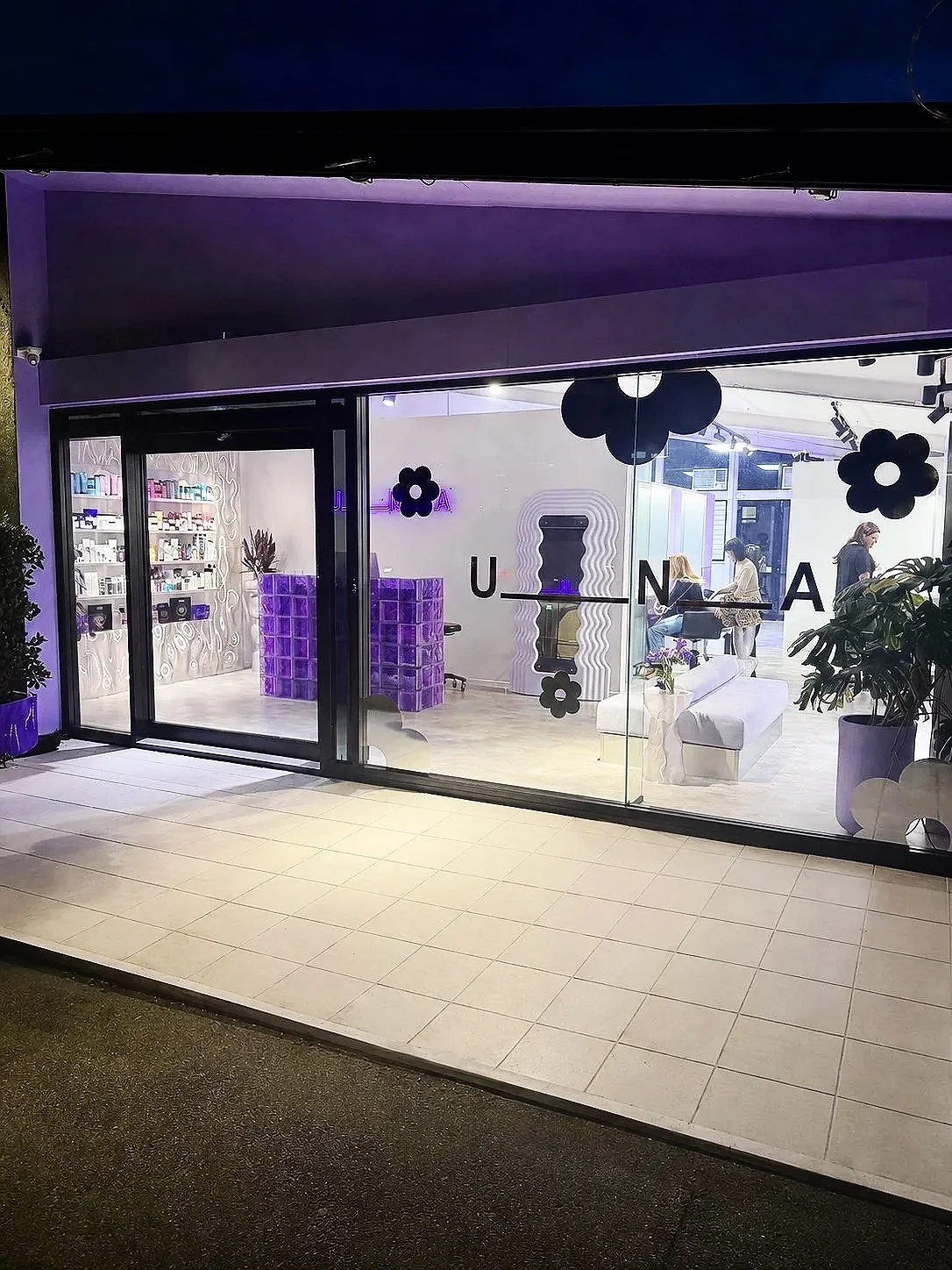
“Yes, absolutely. There have been times where I’ve taken space away from entering because life, business, and the reality of running a salon had to come first. This year, I actually made the decision not to enter anything because we had just moved salon locations, and realistically, I didn’t have the time, capacity, or resources to give a collection what it needed. I think people don’t always realise the investment that goes into creating a collection - not just financially, but creatively, emotionally, and energetically too. But I really missed creating something, and that reminded me how much the creative process means to me outside of any award or outcome.”
CREATING THE COLLECTION
For Kelly, the creative process begins well before the hair. She builds a visual world first, then brings together the elements that will make that world cohesive. Planning is important, but so is leaving room for the unexpected—and allowing the creative team to influence where the work ultimately goes.
Where does the idea for a collection begin for you? Is it a hair idea, an image, a feeling, a reference, a model—or something completely different?
“It usually always starts with a feeling or a reference. Hair is usually the last thing for me. I try to never put a hair-focused image or idea on my initial moodboards because I think it can subconsciously sway me to recreate something instead of pushing myself to try something new. I like to lock in the feeling, the world, and the visual direction first - but then sometimes a model can arrive and inspire a completely new idea too.”
Once you have that initial idea, how do you turn something that exists in your head into a collection of images that feels cohesive and tells a story?
“Cohesion comes from being really clear on the world you’re creating. I look at how everything connects - the hair, colour palette, styling, makeup, model choice, lighting, and mood. I don’t want the images to just look beautiful separately. I want them to feel like they belong together and have a clear point of view running through them.”
How much planning goes into a collection before you actually get on set—and how much do you leave open for the unexpected things that can happen on the day?
“There’s definitely planning, but I’m also usually working within a really tight timeline. I travel a lot with work, so once I know I want to shoot for something, I’ll lock in a day with my creative team and start assembling ideas - but realistically, I often don’t have the time or brain space to properly plan it until about three weeks out. I’d say around 90% is pre-planned, but on the day that 90% could change by 90%. I like having a clear plan going in, especially if I’m creating more elaborate hair pieces rather than working with the model’s own hair, but I’m also really adaptable. If something shifts on the day, it doesn’t bother me - sometimes the best moments come from something unexpected, like a movement, a light change, or someone on the team seeing something differently.”
When you’re creating specifically for an award, how conscious are you of the judging criteria? Do you create for yourself first and think about the award afterwards, or is the category part of the creative thinking from the beginning?
“The category and judging criteria definitely play a part in the creative thinking from the beginning. I’ll work within the judging criteria, because you need to understand the space you’re creating within, but I’m not creating purely with the judges in mind. It still needs to feel true to me. I don’t think you can create only for criteria, because then the work can lose its heart. The best work happens when your creative identity and the expectations of the award meet in an intentional way.”
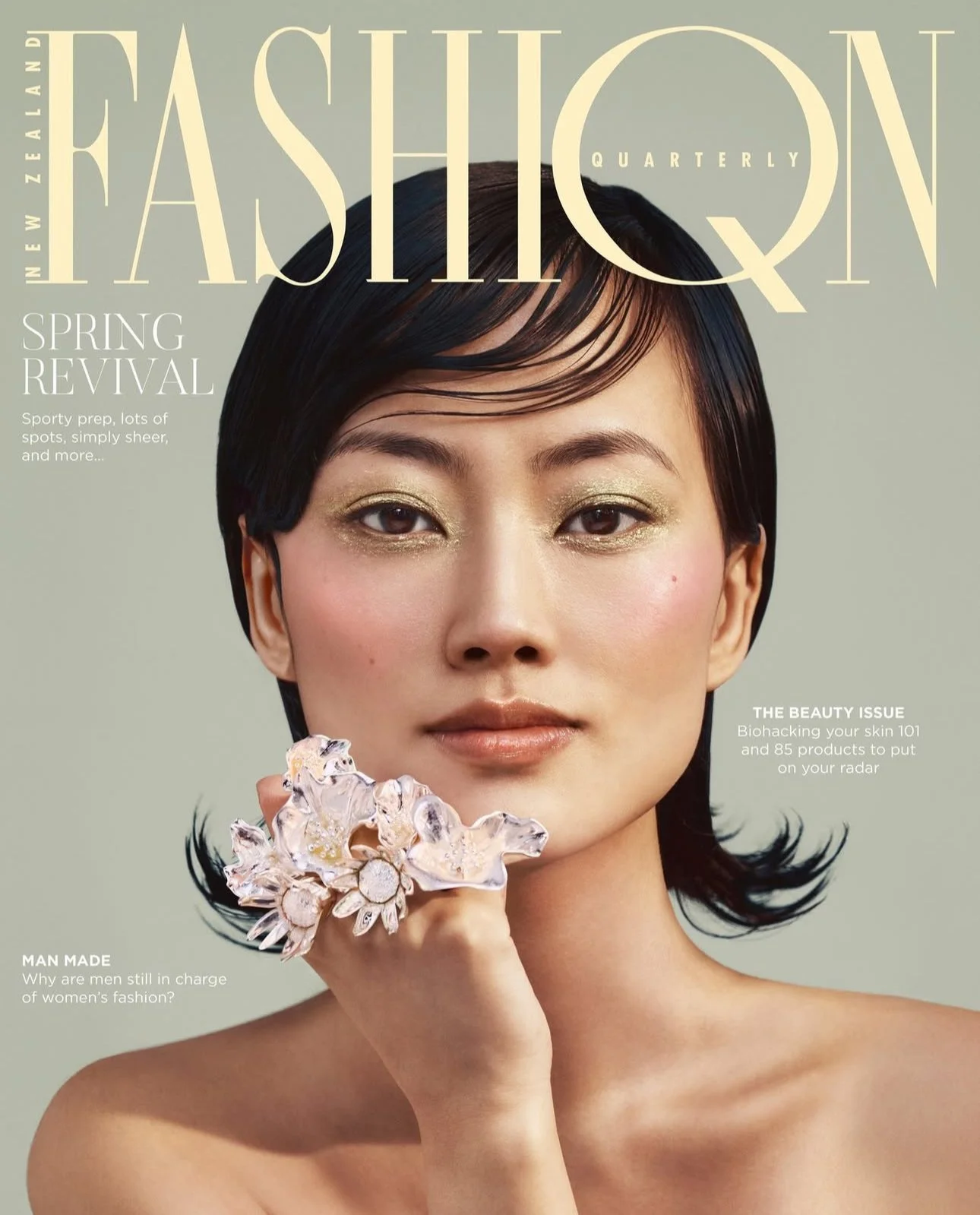
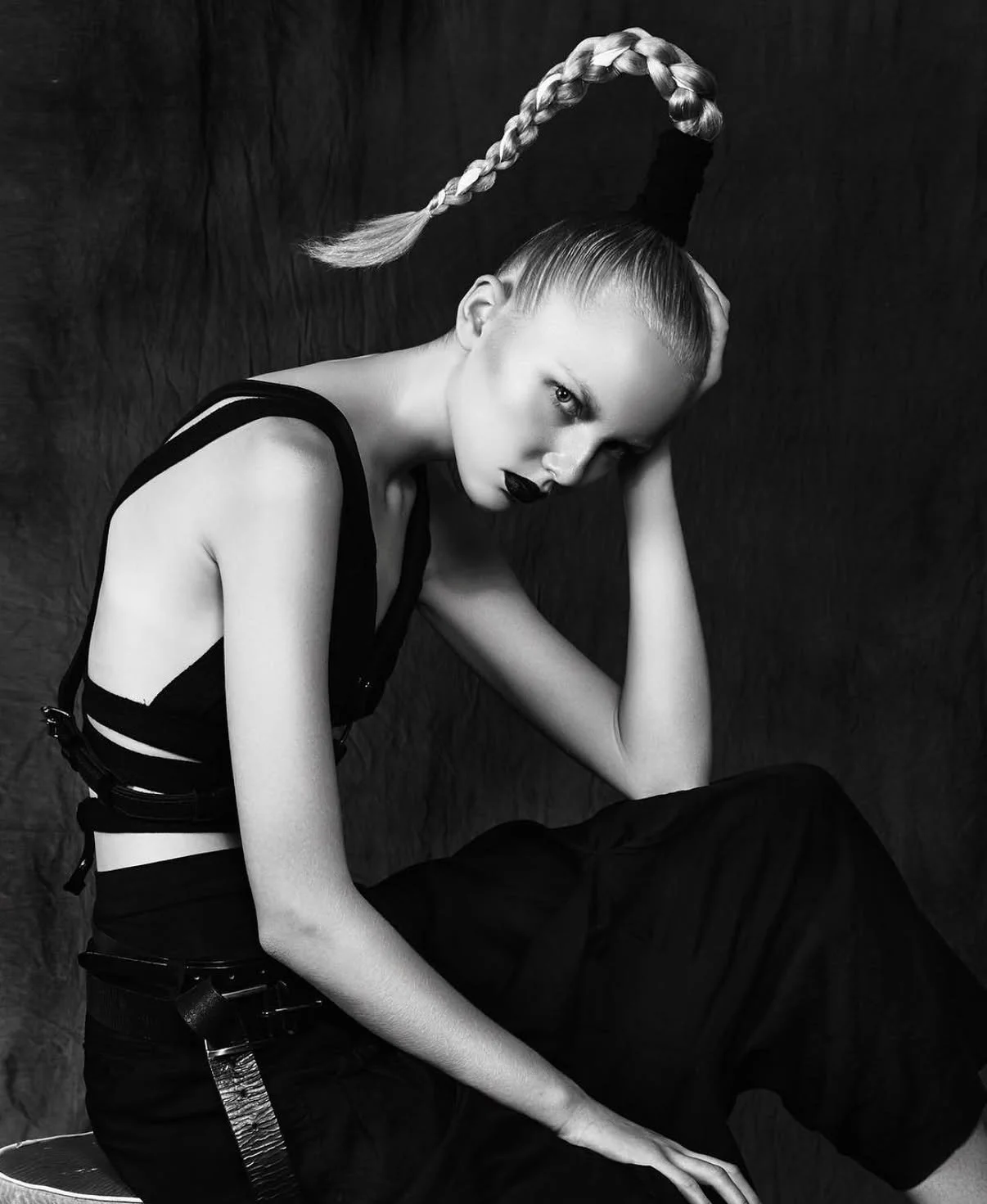
THE PEOPLE BEHIND THE TROPHY
The award may carry one name, but Kelly is clear that the work is collective. Her creative team has become an extension of her own creative process—people she trusts enough to contribute their own ideas, challenge the work and ultimately make it bigger than anything she could create alone.
The award has your name on it, but no collection like this is really created by one person. Who were the people you needed around you to make this collection happen?
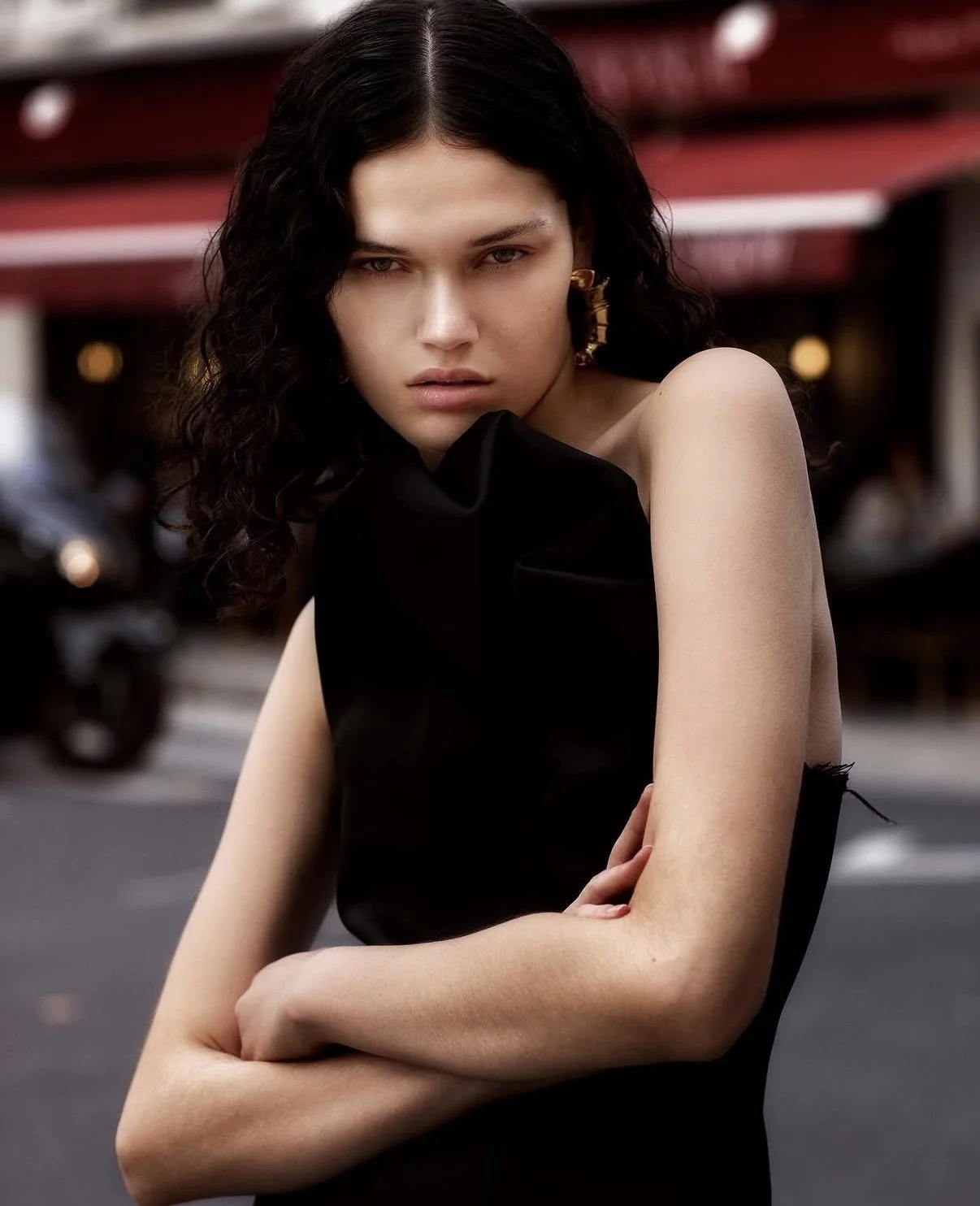
“All of my collections lately have been created with the same creative team - Liz Hyun on makeup, Claudia Li on styling, and Apela Bell on photography - plus whoever is available from the UNA team to lend an extra pair of hands. The reason I’ve stuck with this team is because they’re truly my best friends. We create so much together that it only feels natural to create my collections with them too. I think that’s also why I missed entering something - because it’s so exciting to be the art director of such a talented team. It’s really fun to steer the ship every now and then, but I absolutely couldn’t do it without them.”
What does each person bring that you can’t bring yourself? And how important is it to surround yourself with people who are better than you in certain areas?
“It’s so important to surround yourself with people who are better than you in certain areas. A photographer sees light and composition differently, a makeup artist understands balance, a stylist brings fashion context, and a model brings emotion and energy. When everyone brings their strength, the work becomes bigger than what you could create alone.”
Have you ever had someone on a shoot challenge an idea you arrived with—and ultimately make the work better because of it?
“Ooh, I love this question. On my own collections, I don’t think that has happened in a big way on the actual day for a while, but I wouldn’t mind if it did. I’m an open book and love collaborating. A lot of the collaboration for my collections happens before the shoot. I have a live moodboard that my creative team is linked into, and as I’m building the collection, I’m always sharing what I’m creating with them so they can add their ideas or flavour too if they want. On editorial and commercial shoots, that collaboration often happens on the day. I’d never arrive thinking my idea is 100% the final answer, because those environments are always more reactive and collaborative in the moment.”
Take us back to the moment you found out you’d won. What do you remember—and did your mind immediately go to the people who had helped you get there?
“I remember it feeling really surreal. There was this huge rush of emotion because you know how much work, hope, doubt, and love has gone into getting there - but honestly, I don’t think I even fully knew what was happening in the moment. I flew straight to a business forum in Australia afterwards, so I still don’t think it has fully sunk in. My mind definitely went to my salon team and creative team, because they’re such a huge part of my life and they’re the reason I’m able to do so much of what I do. I kept saying, ‘This is theirs,’ and they kept correcting me saying, ‘No, it’s your award!’ I’m not always the best at owning my achievements, but I think that made the moment even more emotional.”
When your name is on the trophy, it’s easy for people to see an individual achievement. What do you think they don’t see?
“I could go on and on about what people don’t see. They don’t see all the years behind it - the self-doubt, late nights, planning, pressure, setbacks, and moments where you had to recover and keep going. The saying ‘blood, sweat and tears’ definitely didn’t come from nowhere. They also don’t see all the people behind the scenes who gave their time, talent, support, and belief. For me, that’s what makes the win so meaningful.”