In business
Exploring longevity, leadership, creativity, and success in modern hairdressing.
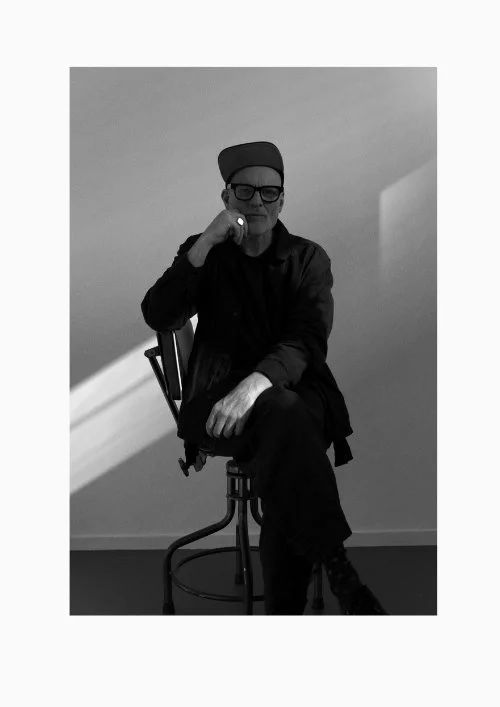
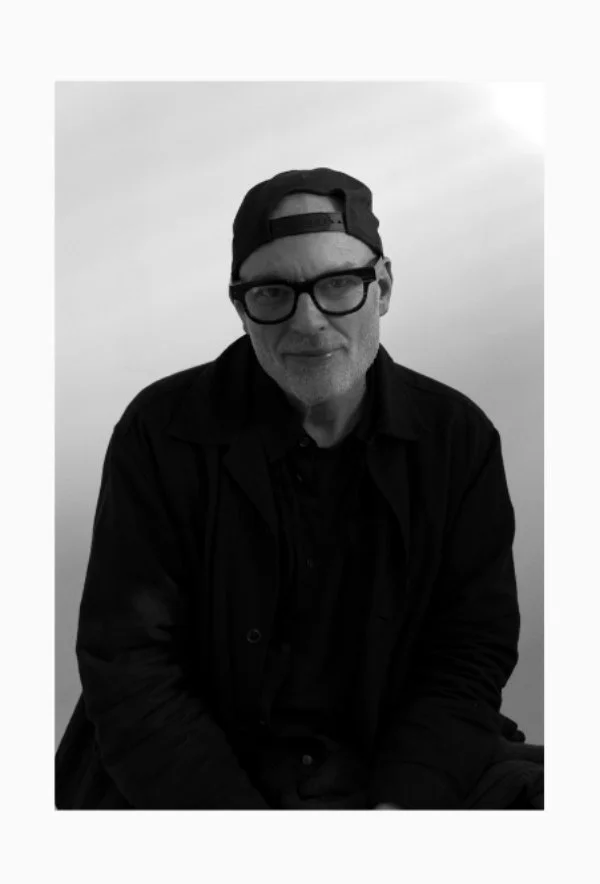
Stephen Marr
Stephen Marr is one of New Zealand's most influential hairdressers, entrepreneurs, and creative leaders. Over four decades, he has built an internationally recognised salon brand while expanding into hospitality, design, and lifestyle ventures. Renowned for his commitment to excellence, education, and innovation, Stephen continues to challenge conventional thinking, proving that creativity, collaboration, and lifelong learning are the foundations of enduring success.
Vision, Passion & Evolution
Building a career that never stands still
Stephen Marr has never been content to stand still. From opening his first salon at just 25 to building successful businesses across multiple industries, his career has been driven by curiosity, ambition, and an unwavering passion for people. In this opening section, he reflects on what has sustained his enthusiasm and why continually evolving has been central to his success.
What kept you in hairdressing when others burned out?
Passion and the connection to people, building great teams!, I get enormous satisfaction from being part of peoples journey and success .....super energizing! The other thing that keeps me going is collaboration. From early days of Marr Factory Shows to other ventures..... mixing ‘art and commerce’! Since 2010 I have been involved in a string of successful hospitality concepts including one in Queenstown ( hotel, restaurant, garden ) which just received a Michelin star, the profile has also been rated in the top 10 sustainable hotels in the world. A massive challenge, but massively exciting and rewarding.
What does productivity actually mean to you now versus earlier in your career
Priorities change, I was on a mission when first starting out ,Completed my hairdressing training, Completed arts and management degree at University before I started my first business age 25, Had a clear vision for what I wanted to achieve.....the vision has kept evolving. I think you get better at prioritizing when you are older, family becomes more important, you get better at balancing....weirdly, I became more productive after having kids.
What does a successful life in hairdressing actually look like to
you now?
To be in a position to work on my own terms in an exciting industry full of potential. I have several projects on the go, a couple related to hairdressing
"The vision has kept evolving."
Building Teams & Culture
Great businesses are built by great people
Behind every successful business is a team united by shared values and a commitment to continual improvement. Stephen believes leadership is about creating environments where people feel respected, challenged, and inspired to contribute. Through mentorship, collaboration, and open communication, he has built cultures that continue to evolve alongside the business.
What systems or routines made the biggest difference in your business?
Personally, I prioritize and few fitness sessions a week, gym, personal trainer, palates...great for mental health. In business, working as a team, always striving to get better ‘first principle, best practice’ I routinely meet with mentors ( since my late teens ), they provide perspective / knowledge, challenge me how and what I do. I love deconstructing problems, getting advice.
What makes people stay in a salon long term?
Creating an environment where everyone is valued and respected, Positive energy, Creating a ‘learning environment’, where
there is constant dialogue across the team around decision making, ideas.....avoids individuals becoming silo’d
What's the difference between managing staff and building culture?
Culture building is creating an environment where a team is committed to a common goal, being part of a team I believe make achieving an individual goal
far more achievable.
What traits predict success in younger stylists?
attitude, dedication, commitment/ focus with a good dose of resilience.
"Creating a learning environment where there is constant dialogue across the team."
Creativity Without Limits
Why learning, simplicity and curiosity never go out of fashion
For Stephen, creativity and commercial success are not opposing forces—they strengthen one another. Whether working in hairdressing, hospitality, or design, he believes lasting brands are built on strong fundamentals, continuous learning, and the confidence to keep asking questions. In this final section, he shares the principles that have helped his business remain relevant while continually embracing change.
How do you protect your creativity while still running a business?
the energy to run a business can be taxing, having a tight team is essential. It empowers, leads to decisive the decision making. For me, working across different industries gives me different in-sites and ideas that I can apply across different projects .....cross pollination!
What advice in hairdressing is completely overrated?
One way is the right way!
How do you maintain quality while growing?
Training and education is the foundation to any profession or vocation. Learning key fundamentals of the ‘craft’ is invaluable.
Good systems and communication are also important.
Was growth ever dangerous creatively?
Growth in the right way can sometimes assist creativity, can open creative opportunities which wouldn’t exist otherwise.
What systems became essential as the business expanded?
Systems that reinforce excellence and team culture, reinforce who and what you are as a unit. Keep it simple
How do you build a brand that outlives trends? –
To have a great work ethic an inquisitive attitude, to always want to keep learning and trying new things. To have strong creative
and culture values, steeped in knowledge of history and craft.
"Training and education are the foundation to any profession or vocation."
Mana Dave
Mana Dave is one of New Zealand's most respected hairdresser, educator, and salon leader. As the owner of Blaze Salon in Newmarket, Auckland, he has built a career defined by education, innovation, and a commitment to developing both people and the profession. Passionate about creativity and lifelong learning, Mana believes the most rewarding careers are built by aligning personal values with purpose, continually challenging yourself, and helping others grow along the way.
Purpose, Passion & Longevity
Building a career that continues to inspire
After decades in hairdressing, Mana Dave believes longevity has little to do with endurance and everything to do with purpose. By aligning his career with his personal values—education, community and self-development—he has found a way to remain passionate about the industry while continually evolving both professionally and personally.
What kept you in hairdressing when others burned out?
Education. Learning. Helping other hairdressers learn. It took me awhile to figure it out, but I’ve found a way to align my career with my core values - respect, community and self-development. It
drives me and gives me that sense of fulfilment that everyone needs. When you’re doing the stuff that fuels you, it keeps you going even when it’s hard. The hard bit is where all the goodness
lives
What does productivity actually mean to you now versus earlier in your career.
Productivity career and business wise is now about ROI. Return on investment. What’s it costing me. What’s my return. Early on in my career it was about doing alot, to figure out what resonated. Now it’s about picking the projects that give me the best ROI. The return has to warrant the investment. Sometimes the return is a financial
goal, sometimes the return is about “fuelling the soul”. It’s about succeeding in the things that matter most to me so I feel fulfilled.
What does a successful life in hairdressing actually look like to you now?
Feeling like I’m making a dfference. That I’m helping to make things better for other hairdressers and connecting our community. Whether they’re fresh to the industry or old timers like myself, that
they’re excited to be part of our industry. We’re all connected. Everyone has a role to play in building our kiwi hair industry.
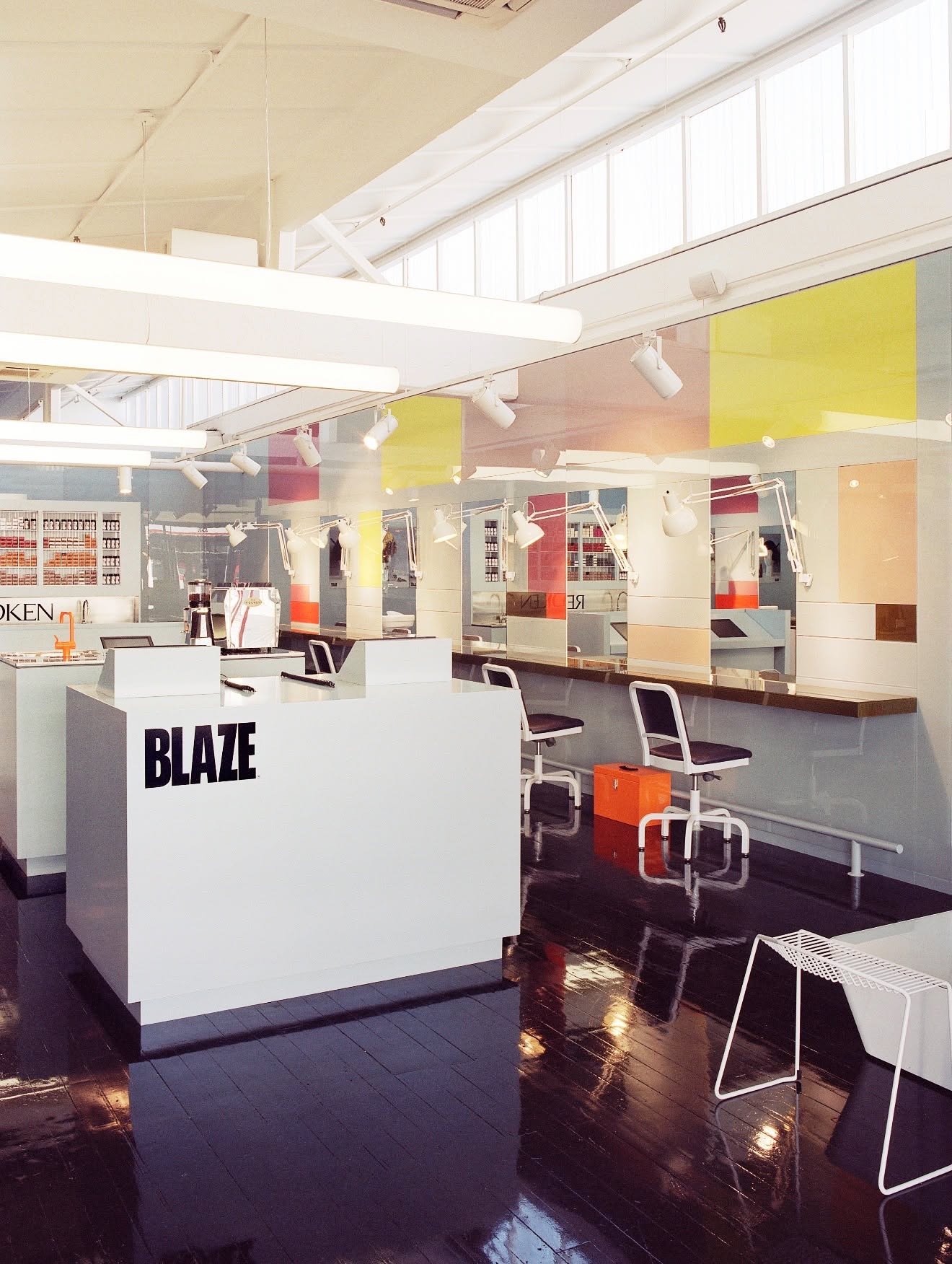
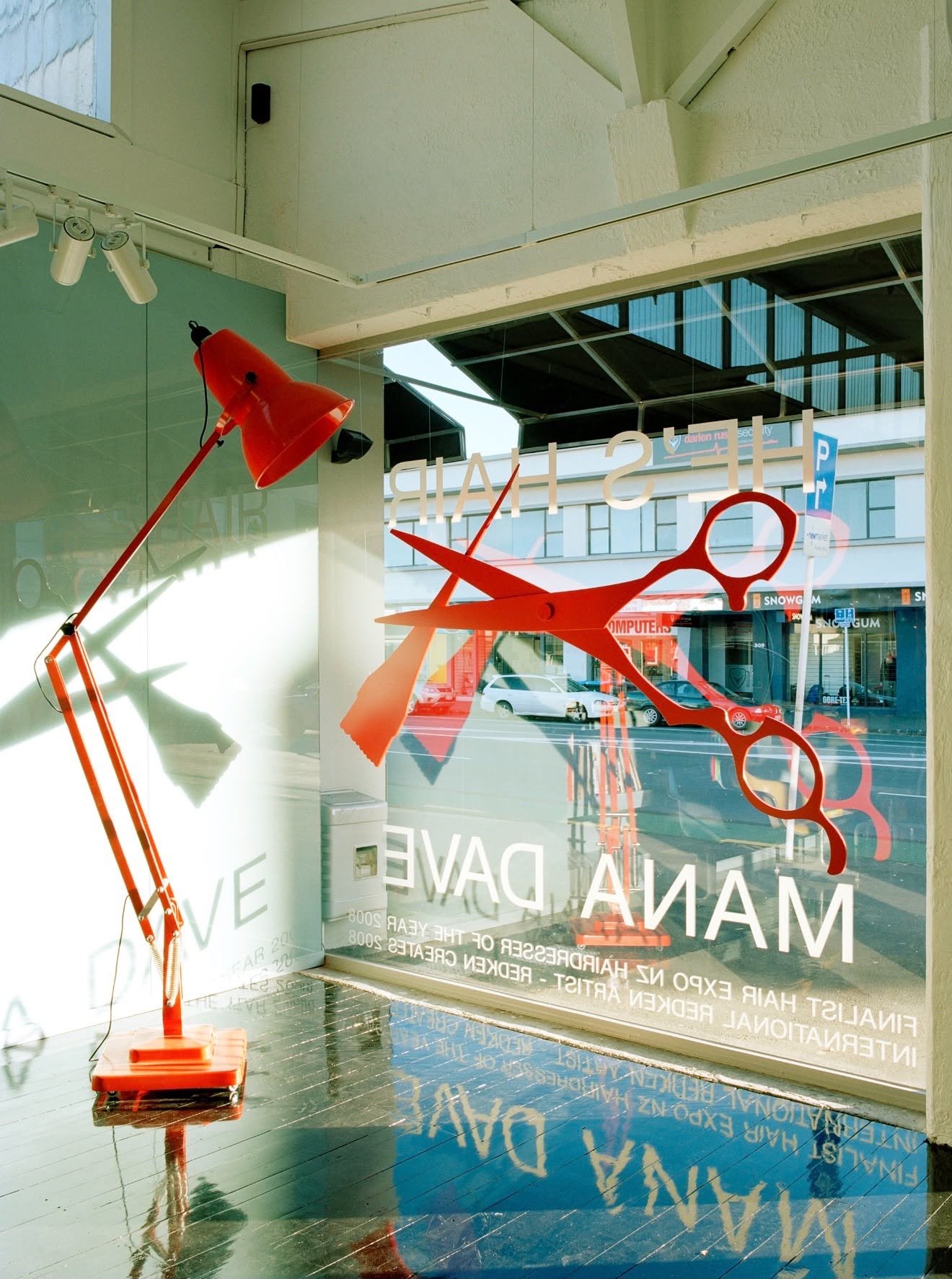
"The return has to warrant the investment. Sometimes the return is financial. Sometimes it's about fuelling the soul."
Why great artistry requires intention
For Mana, creativity isn't something you're born with or something that simply appears—it requires time, experimentation and space. Whether it's trying a new technique, working backstage, or simply creating room to think, he believes creativity has to be deliberately nurtured if it's going to survive the demands of commercial hairdressing..
How do you protect your creativity while still running a business?
It’s hard. I feel the “business me” and the “creative me” have to think and operate in different ways to be fffective, so I personally
find it challenging. But I intentionally have to make time for it. We're time focussed people in our day to day salon life so I have to schedule it so my creative brain kicks in and I can get in the zone for creation.
How do you keep artistry alive inside commercial hairdressing?
Artistry is about experimentation. It’s about change. Change something in your salon world to fuel your artistry. Start simple. Change a tool, a technique, a colour formulation for a client. Then
find a way to channel that into something outside your salon world - do a hands on workshop, support backstage at fashion week, Enter an industry competition. Play. It keeps the creativity alive
What role does individuality play in long careers?
Individuality is about figuring out what your flavour is. What’s your super power. What makes you dfferent. Once you figure that out you’ll find projects that play to your strengths and align with the
things that matter most to you.
What does creative burnout actually feel like?
My tell tale sign - everything feels hard. Even the things I normally enjoy feel hard. Creativity happens for me when I create space for it to happen. Mental space. When my brain is full I don’t see the
random inspiration that shows up around me. My brain likes structure. I’m not a creative chaos person. So I create white space in my schedule for “nothing”. It’s just a block of time. Sometimes
it’s an hour. Sometimes it’s a morning. It’s just a blank block. I’ll useit to proactively get creative, whatever that looks like. If I do nothing
with it, I can just do something to recharge. I schedule the white space to stop the burnout.


"I schedule the white space to stop the burnout."
Growing Great Hairdressers
Resilience, belonging and building stronger careers
Great salons aren't built solely on technical ability—they're built on people who feel connected, valued and willing to keep growing. Mana believes resilience, listening, and creating a genuine sense of belonging are the qualities that sustain both individuals and the wider industry over the long term.
What makes people stay in a salon long term?
They feel like they belong, like they fit. People will stay in a salon long term when their needs are being filled and they feel like they’re valued. Growth looks different for everyone and the salon that works out what that looks like for each team member will keep them engaged.
What traits predict success in younger stylists?
The biggest trait is resilience. Stickability when it gets challenging speaks volumes about a young person’s ability to succeed in their career and generally in life. Someone who’s risk averse will steer clear of the things they actually need to do to grow. Anyone who’s successful will tell you that you have to do the hard shit to get where you want to go. Listening is totally, totally underrated as a super power. Understanding how to “hear” people will get you far - reading body language, understanding what people mean not what they say, knowing how to ask the right questions.
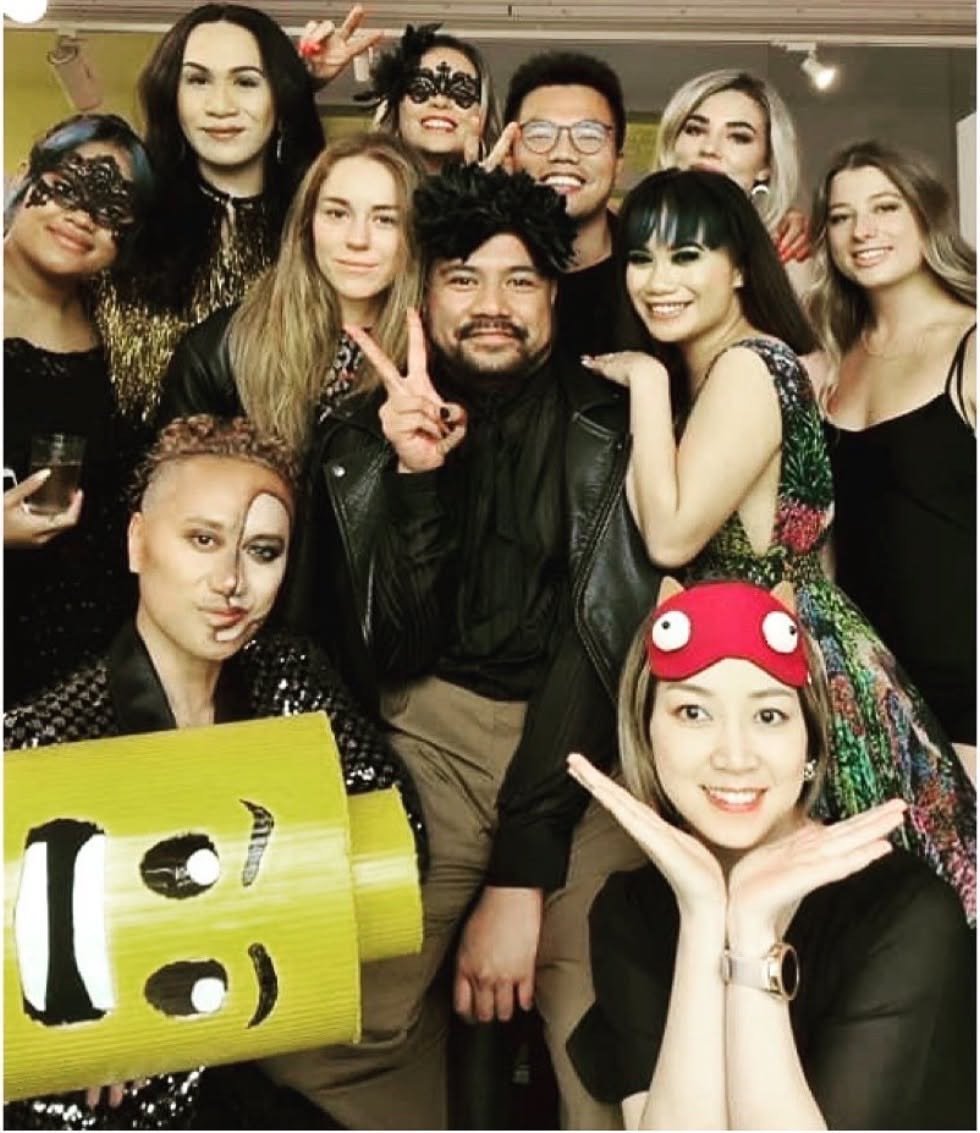
"Listening is totally, totally underrated as a superpower."
Michelle Marsh
Michelle Marsh is the owner of Surreal Hair in Christchurch and one of New Zealand's most respected salon leaders. With more than 40 years in the industry, she has built a reputation for combining exceptional client care with strong business systems, team development, and a commitment to continuous education. Known for her practical approach to leadership and her belief that success is built on consistency, learning, and genuine relationships, Michelle continues to inspire both clients and the next generation of hairdressers.
Systems, Profitability & Sustainable Success
Building a salon that works for clients, staff, and the bottom line
For Michelle Marsh, success isn't measured by how busy a salon appears—it's measured by consistency, profitability, and creating systems that support both the team and the client experience. In this section, she shares the business practices that have helped Surreal Hair thrive, from consultation processes and pricing transparency to performance tracking and commercial awareness.
What does productivity mean to you now versus earlier on in your career
“Earlier in my career, productivity probably meant keeping busy and having a full column. But over time, I’ve learned that being busy and being productive aren’t necessarily the same thing. To me, productivity is about profitability and purpose. It’s about understanding your numbers, knowing what you need to achieve, charging appropriately for your services, and managing your time effectively.
Even when I was an employee, I always paid attention to my numbers—what I needed to do to reach commission, what my targets were, and how I could improve. Today, I see productivity as making sure every service is profitable, every appointment is priced correctly, and the time spent with clients is being used efficiently. A fully booked day doesn’t mean much if you’re not actually making money. True productivity is about working smarter, not just working harder.”
What systems or routines made the biggest difference in business
“The biggest difference in our business has come from having systems in place. Whenever a problem arises in the salon, rather than dealing with it repeatedly, we create a system to solve it. Over time, those systems have become the backbone of how we operate.
We also use tools that help us track and improve performance. We use VISH to monitor colour usage, reduce wastage, and record colour formulas, which has made a huge difference to profitability and consistency. We’re also part of the Salon Owners Collective and use My Salon CEO, which tracks our team’s KPIs through a traffic-light system and provides coaching resources to help stylists improve areas like rebooking, retail, and client retention.
However, if I had to choose the most important system, it would be our consultation process. We place a strong focus on thorough consultations, clear quoting, and complete transparency around pricing. This ensures clients know exactly what to expect and helps build trust from the very beginning.
I also believe the service doesn’t end when the hair is finished. Creating beautiful hair is only part of the experience. Educating clients on how to maintain their hair at home, recommending the right products, teaching them how to style their look, and helping them achieve the same results between visits is equally important. Often, that’s what determines whether a client rebooks and becomes a long-term client.
For me, strong systems create consistency, and consistency creates great client experiences and a more profitable business.”
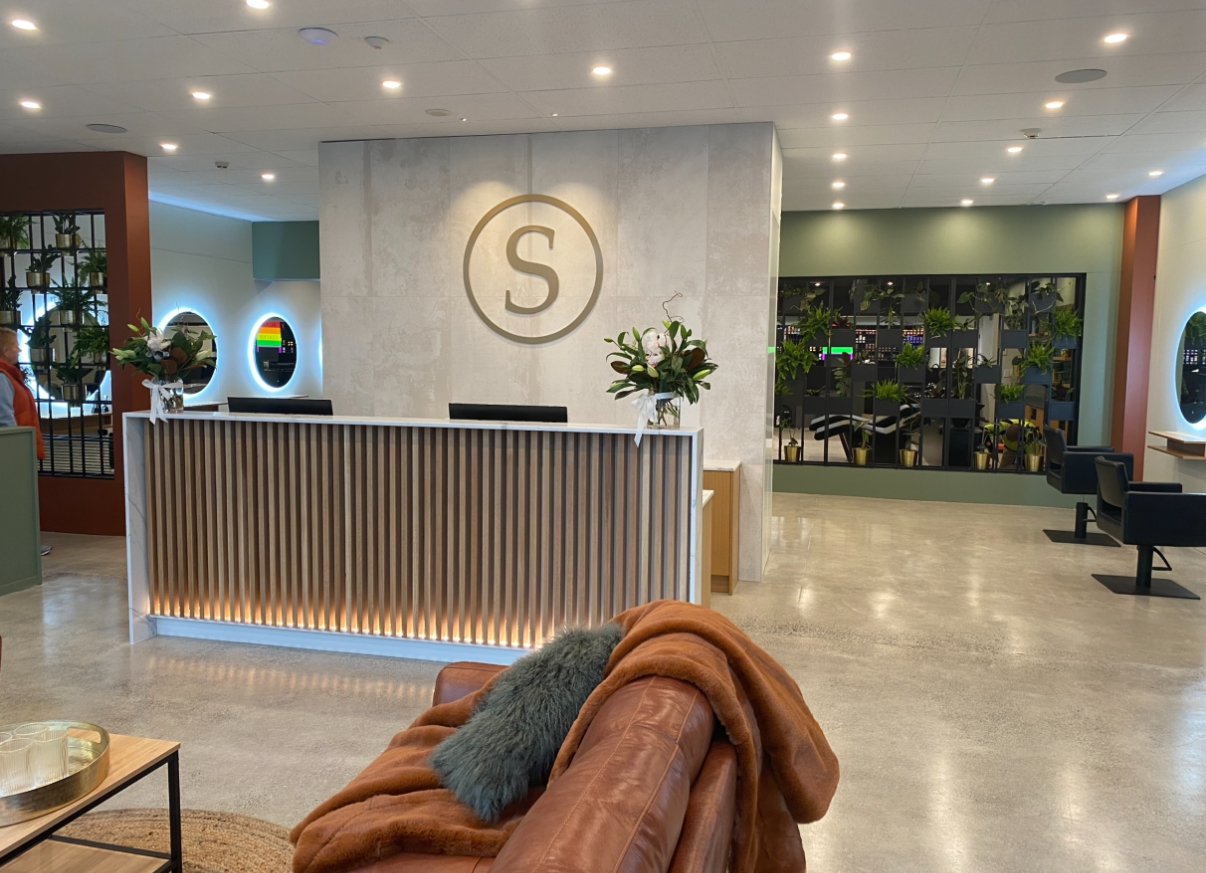
"A fully booked day doesn't mean much if you're not actually making money."
Building Teams That Want to Stay
Culture, leadership, and creating opportunity
Creating a workplace where people genuinely want to stay doesn't happen by accident. Michelle believes strong retention comes from clear career pathways, ongoing education, shared values, and a culture where people feel supported and appreciated. Here she discusses leadership, team culture, and the qualities that help young stylists succeed.
What makes people stay in the salon long term?
“I think people stay in a salon long term when they can see a future there. It starts with having a sustainable business. By that, I mean a salon that is financially healthy, profitable, and well-run. If the business isn’t sustainable, it’s very difficult to create opportunities for the team.
Beyond that, I believe clear career pathways are essential. We use My Salon CEO to help our team understand exactly what they need to do to progress to the next level. They know where their next pay rise is coming from, what skills they need to develop, and what success looks like. That clarity gives people confidence and motivation.
Education is another huge factor. We invest heavily in training and development because people want to feel like they’re growing, not standing still. When team members can see that you’re invested in their future, they’re far more likely to stay engaged and committed.
Finally, culture matters. People want to work in an environment where they feel valued, supported, and part of something bigger than themselves. For me, long-term retention comes from a combination of a sustainable business, clear career progression, ongoing education, and a great team culture.
Ultimately, you must create a workplace that’s so rewarding and full of opportunity that people genuinely want to stay.”
“My philosophy is simple: you have to make it too good for them to leave.”
What's the difference between managing staff and building culture?
“I think there’s a big difference between managing staff and building culture. Managing staff is about processes, performance, expectations, and accountability. Building culture is about creating an environment where people feel connected to a shared purpose and genuinely want to be part of the team.
In a larger salon, culture can be challenging because you have people of different ages, personalities, backgrounds, values, and stages of life. Everyone comes to work with different motivations and needs. I’ve learned that you don’t need everyone to be the same—you just need everyone to be aligned around a common set of values and a shared goal.
For me, culture is about being very clear on what we stand for, what we’re trying to achieve, and how we treat each other and our clients. When those expectations are clear, people can bring their own personalities and strengths while still contributing to the same vision.
Culture doesn’t happen by accident. It requires consistency, communication, and leadership. But I also think one of the most important ingredients is making sure people enjoy coming to work. We spend a huge part of our lives in the salon, so having fun, celebrating wins, supporting each other, and enjoying what we do is incredibly important.
At the end of the day, great culture isn’t about having the same personalities—it’s about sharing the same values and working towards the same goal.”
“You don’t build culture by hiring people who are all the same. You build culture by bringing different people together around the same values and vision.”
What traits predict success in young stylists?
“If I had to choose one trait that predicts success in a young stylist, it would be attitude. Skills can be taught. We can teach cutting, colouring, balayage, styling, consultation skills, and technical knowledge. But it’s much harder to teach someone to have a positive attitude, a strong work ethic, and a genuine desire to learn.
The most successful young stylists I’ve worked with are the ones who are curious, coachable, and willing to put in the effort. They show up with a positive mindset, take feedback on board, and are always looking for ways to improve.
Creativity is certainly valuable in our industry, but talent alone isn’t enough. The stylists who build long-term success are the ones who are reliable, client-focused, eager to learn, and committed to growing their skills.
When I’m hiring, I will choose attitude over skill every day of the week. Skills can be developed, but attitude is what determines how far someone is willing to go.”
“I’d rather hire someone with a 10 out of 10 attitude and a 5 out of 10 skill level than someone with a 10 out of 10 skill level and a 5 out of 10 attitude. Skills can be taught; attitude can’t.”
What’s the hardest thing about Sustaining A Team
Maintaining energy
Today’s hairdressers are looking for much more flexibility. People want different hours, different days, and different ways of working. Some want to work more, some want to work less, and as a salon owner, that can make it challenging to build consistency and maintain a strong team culture.
I think there’s a much greater focus now on finding that work-life balance, and whether it’s achievable or not, it’s certainly what many people are striving for. As employers, we must be willing to adapt and accommodate those changing expectations. If we don’t, people often choose to work from home, rent a chair, or go into business for themselves.
That said, I still believe there’s something special about being part of a busy salon environment.
I love the energy of a large team working together, supporting each other, learning from one another, and striving towards a common goal. While the way people work may have changed, I think the value of connection, collaboration, and team culture is just as important as it’s ever been.
Keep all these things together and you keep your energy
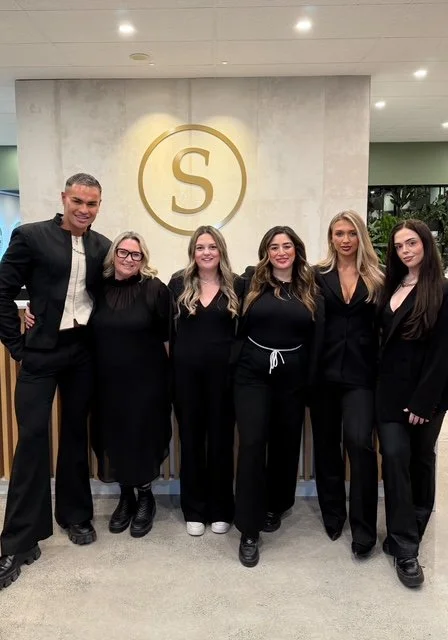
"My philosophy is simple: you have to make it too good for them to leave."
Longevity, Learning & Lasting Success
Staying inspired after four decades in the industry
After 40 years in hairdressing, Michelle's enthusiasm for the industry remains as strong as ever. She credits that longevity to continuous education, genuine passion, and maintaining perspective on what success really means. In this final section, she reflects on creativity, client loyalty, work-life balance, and the rewards that come from building a career that continues to evolve.
What kept you in hairdressing when others burnt out
“I’ve been hairdressing for 40 years, and I think what has kept me in the industry is a commitment to never stop learning. Every time I attend training or learn a new skill, it reignites my passion. I also believe it’s important to look after yourself—hairdressing can be demanding, so taking regular holidays and creating balance prevents burnout. Those two things have helped me stay excited about what I do for four decades.”
How do you protect your creativity while still running a business?
I protect my creativity by never stopping learning. I’m constantly looking at trends, watching education online, following inspiring artists, and attending workshops whenever I can. I’m a big fan of Kane Vakai and Sheree Knoble from Bixie, and I love surrounding myself with people who push the industry forward.
While online education is fantastic, I still don’t think anything beats live education and being in the room with other passionate hairdressers. That’s where I get a lot of my inspiration.
I also don’t see creativity and business as opposites. I genuinely enjoy both. The creative side keeps me inspired, and the business side gives me the ability to build something sustainable. For me, they’ve always gone hand in hand
What advice in hairdressing is completely overrated?
Hairdressing is a physically demanding, mentally demanding, and people-focused profession. If you want to become truly exceptional, there are often late nights, Saturdays, education events, training sessions, and a lot of hard work involved. The most successful hairdressers I’ve met don’t just do hairdressing as a job—they genuinely live and breathe it because they’re passionate about it.
That’s not to say wellbeing isn’t important. Looking after yourself, taking breaks, and having time away from work absolutely matters. In fact, it’s essential for longevity in the industry. But I think there’s a difference between balance and commitment.
Especially when you’re young and building your career, success often requires a level of dedication that goes beyond the hours you’re physically in the salon. The people who tend to achieve the most are usually the ones who are continually learning, practising, attending education, and immersing themselves in the industry.
For me, it’s less about finding perfect balance and more about finding a career you’re passionate enough about that the effort feels worthwhile.”
“I think the idea of perfect work-life balance in hairdressing can be a little overrated. Wellbeing is important, but if you want to be exceptional, there are no shortcuts. The most successful hairdressers I know are deeply passionate about what they do, and that passion naturally takes up a big part of their lives.”
What keeps clients loyal for decades
Consistency and genuine care.
At our salon, we work hard to deliver a consistently high standard of service every single visit. People want to know that when they walk through the door, they’re going to be welcomed, listened to, and looked after.
We’re a salon that’s open to everyone, regardless of age or stage of life, and I think one of the biggest reasons clients stay with us is that we take a genuine interest in them as people. We make the time to listen, remember what’s going on in their lives, and create a space where they feel seen, heard, and valued.
Of course, great hair is important, but I don’t believe long-term loyalty is built on hair alone. It’s really about how people feel when they leave, the relationship we have with them. If someone walks out feeling more confident, uplifted, and cared for than when they arrived, that’s what creates trust, and trust is what keeps clients coming back year after year, and often decade after decade.
Salon culture has changed significantly over the years, particularly in how people want to work.
What does a successful life in hairdressing actually look like ?
Success in hairdressing means different things to different people. For some, it's owning a busy salon. For others, it's having a loyal client base, creating beautiful hair every day, and genuinely loving what they do.
A successful hairdressing career for me is about finding the right balance between creativity, personal growth, financial security, and lifestyle.
Building strong relationships with clients who trust you and keep coming back.
Continually learning and developing your skills.
Feeling confident in your craft and proud of the work you produce.
Earning a good income doing something you enjoy.
Having a healthy work-life balance that allows time for family, friends, and yourself.
Supporting and mentoring the next generation of hairdressers.
One of the most rewarding parts of our industry is the impact we have on people. A great haircut or colour can completely change how someone feels about themselves. Being part of that is something pretty special.
At the end of the day, success isn't necessarily about awards, titles, or owning a salon. It's about building a career that challenges you, fulfils you, and allows you to make a positive difference in the lives of others while creating a life you're proud of.
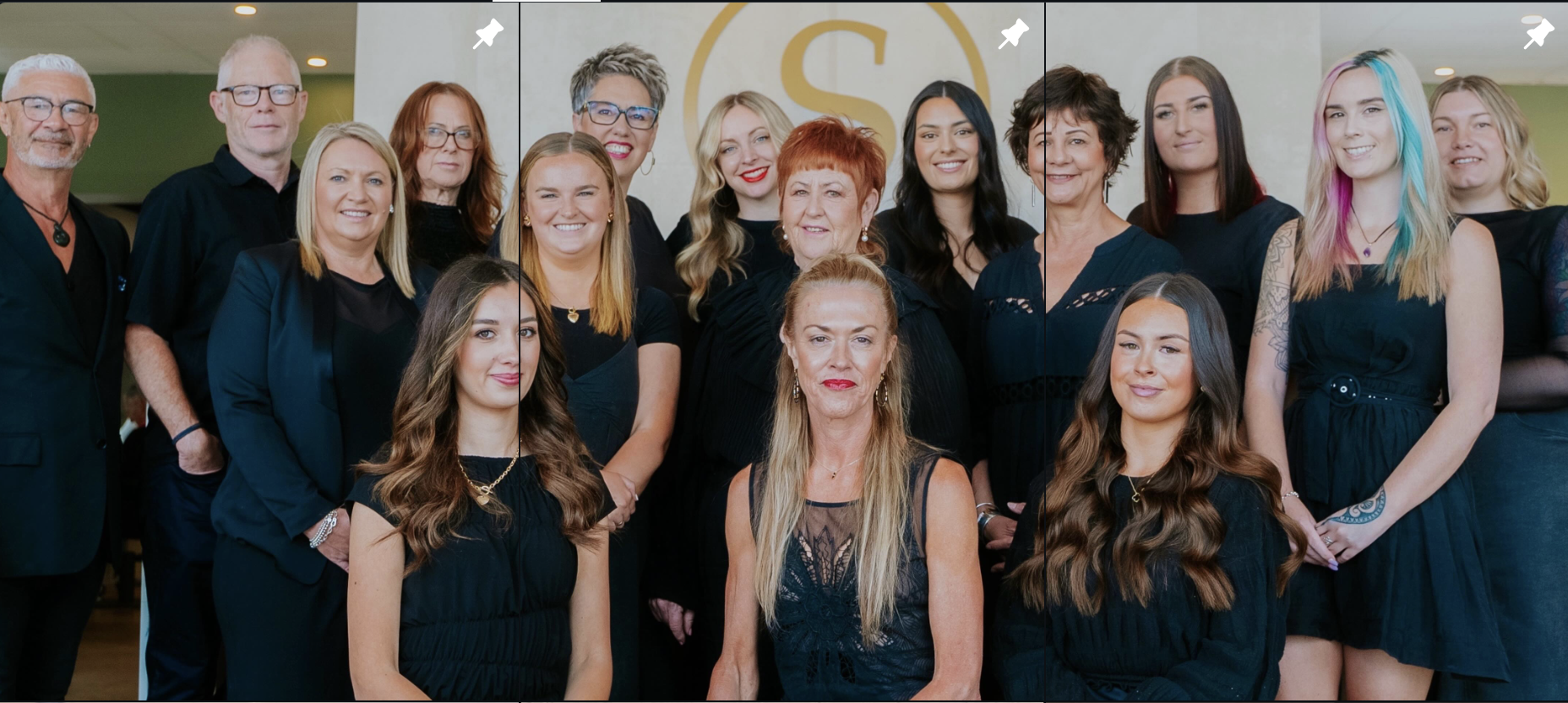
"I've been hairdressing for 40 years, and I think what has kept me in the industry is a commitment to never stop learning."
Sara Allsop & Jock Robson
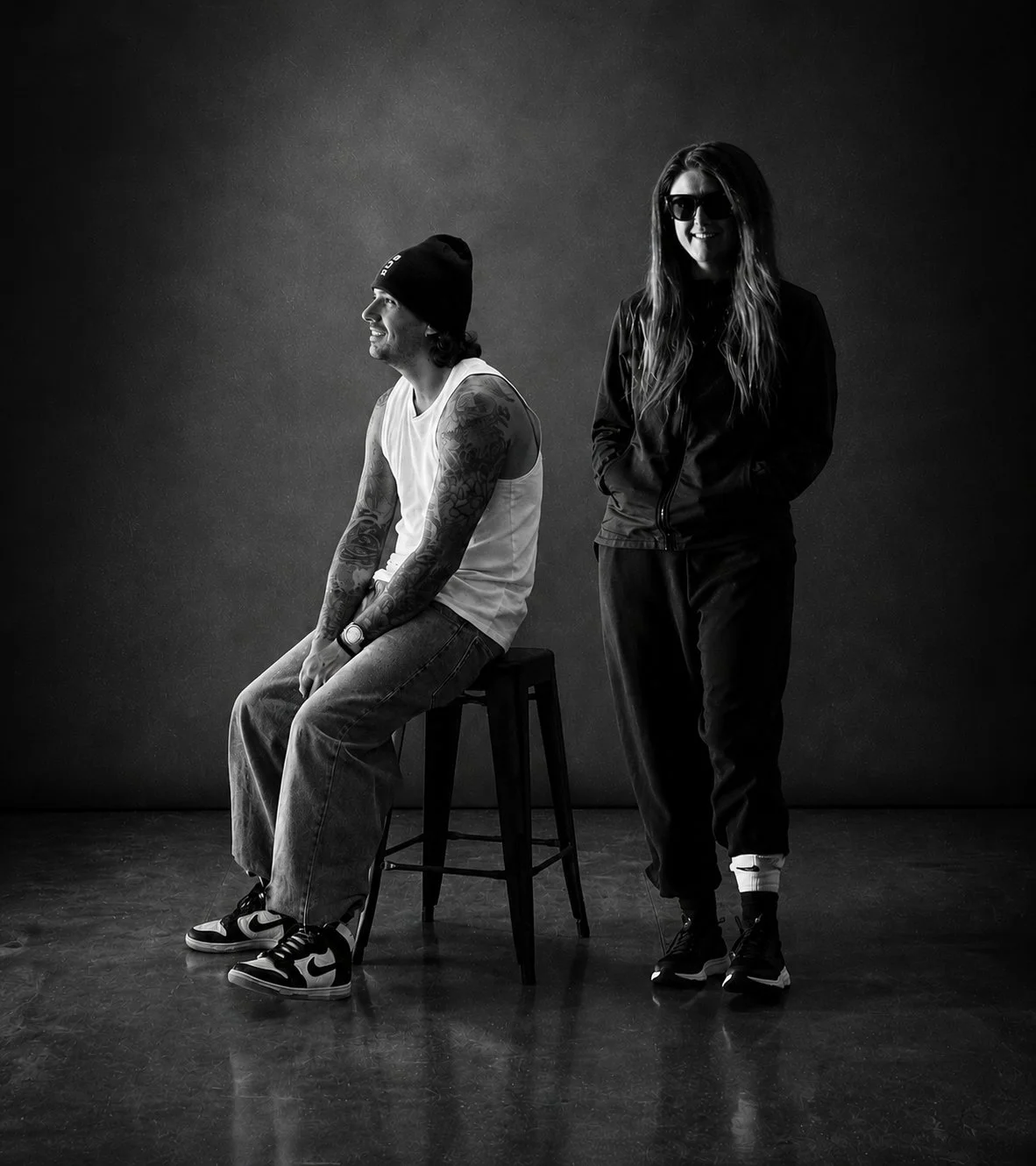
Sara Allsop and Jock Robson have built careers that extend far beyond the salon floor. As salon owners, educators, platform artists, photographers, competition stylists, and international fashion week contributors, they have consistently challenged conventional thinking about what a hairdressing career can be. Known for combining creative excellence with strong commercial foundations, they have spent decades developing successful teams, profitable businesses, and opportunities for others to thrive within the industry.
Building a Business That Works
Simplicity, profitability, and the systems behind long-term success
While many salon owners focus on complexity, Sara Allsop and Jock Robson have built their business around simplicity. From daily productivity tracking and tightly focused service menus to strict product control and a refusal to hold traditional staff meetings, their approach challenges many accepted salon norms. In this section, they share the systems and philosophies that have helped drive profitability and consistency for more than two decades.
What does productivity actually mean to you now versus earlier in your career?
Productivity is profitability. A packed appointment book means very little if the business isn't making money. For us, a healthy business should consistently achieve a net profit margin of at
least 10%, preferably higher. We've always been transparent with our team about what productivity actually looks like. Many hairdressers are never taught how to measure it, so they often don't know whether they're truly productive. Understanding the dfference is one of the most valuable business lessons we can teach.
We've also always monitored the balance between highly productive team members and those who are still developing. Maintaining that balance is essential to the long-term health of the business.
What systems or routines have made the biggest difference in your business?
Some of our most effective systems are also the simplest—and remarkably, they haven't changed much in over 20 years.
Daily Totals
Every morning, each team member calculates the value of what's already booked into their column and identifies opportunities to increase that throughout the day, whether through additional colour services etc We do the same exercise for the salon as a whole. Everyone knows the daily target, where we currently sit, and what opportunities exist to improve the result. It creates accountability andcommercial awareness without anyone feeling micromanaged.
A Deliberately Small Service Menu
We've always operated with a very focused menu. Haircuts, retouches, and highlights have been our core services.Our pricing is fixed and straightforward. Whether a client has four foils or a full head of highlights, the service remains the same. The menu is designed around the services our clients most frequently choose, which helps maintain strong client averages and a simple client experience.
A pricing and timing structure that eliminates 98% of KPI’s.
We have two KPI’s. Rebooking percentage and percentage booked the first KPI takes care of the second, the pricing means our break even point is met with the salon being only 25% booked. Colour has always been the foundation of our business, consistently representing more than 80% of our services performed. We don't target children's services, and we have only a small number of male clients. It's not personal—it's simply about building a business model around our ideal client. We also don't include retail sales in our client averages because, quite frankly, we don't believe we're retailers. We recommend products we genuinely believe in, but we've never wanted our team's income or performance measured by how many bottles they can sell.
Product Control
For over two decades, we've maintained strict colour and lightener mixing guidelines. Consistency controls waste and improves profitability Our team has always understood the direct connection between responsible product usage and the opportunities we provide. Over the years those opportunities have included Hair Expo, New York Fashion Week, and team celebrations in places like Fiji, Nouméa, and Byron Bay. The message has always been simple: waste less, achieve more, travel further. Remarkably, it's worked for 20 years.
No Meetings
One of our more controversial business practices is that we don't hold traditional staff meetings. In our experience, most meetings could have been a five-minute conversation. Instead, we communicate continuously throughout the day. We check in with our team, discuss challenges as they arise, and maintain complete transparency around the business. We've always encouraged people to run their own business within our business.
"Productivity is profitability."
People, Culture & Opportunity
Creating environments where careers can flourish
For Sara and Jock, success has never been measured solely by financial results. Throughout their careers they have invested heavily in creating opportunities for their team, helping individuals develop confidence, skills, and careers of their own. Here they discuss the role of culture, accountability, resilience, and leadership in building teams that stay engaged and grow over the long term.
What kept you in hairdressing when others burned out?
I think we've stayed passionate about the industry because we've never allowed our careers to become one-dimensional. Variety has always been important to us. Alongside salon work, we've pursued creative outlets such as photography, competitions, editorial projects, international Fashion Weeks, and education—both for major brands and privately. Those opportunities have continually challenged us to push boundaries, learn new skills, and stay inspired. Just as rewarding has been helping team members build their own careers, portfolios, and confidence. Watching others succeed because of opportunities you've helped create is incredibly motivating and has kept us engaged throughout our careers.
What's the dfference between managing staff and building culture?
Honestly, we haven't actively managed people for a very long time. Sara has a saying she shares with every new team member:"Don't come to me with the problem—come to me with the solution."
That mindset encourages accountability, initiative, and confidence. Over time, people learn to solve challenges rather than simply report them.
What traits predict success in younger stylists?
Resilience. Talent helps, creativity helps, and technical ability certainly helps. But resilience is what keeps people moving forward when things don't go to plan. The industry can be incredibly rewarding, but it can also be demanding. The people who succeed long term are usually the ones who can handle setbacks, stay adaptable, and keep showing up.
"Watching others succeed because of opportunities you've helped create is incredibly motivating."
Staying Relevant
Creativity, education, and the pursuit of longevity
In an industry driven by constant change, remaining relevant requires more than technical ability. Sara and Jock believe longevity comes from continuous education, creative stimulation, and a willingness to keep evolving. In this final section, they share their views on learning, creativity, trends, timelessness, and what success in hairdressing means to them today.
How do you protect your creativity while still running a business?
By continuing to put ourselves in environments that challenge us creatively. Whether it's competitions, editorial shoots, assisting backstage at New York, Paris, or other Fashion Weeks, those experiences keep us learning and expose us to new ideas, techniques, and trends. The moment you stop learning is the moment you start falling behind. Creativity isn't something you preserve—it's something you actively feed.
And if we're honest, staying current becomes even more important as the birthdays start adding up.
What advice in hairdressing is completely overrated?
Charge your worth." It's become one of the most repeated phrases in the industry, but very few people ever define what it actually means. Clients buy perceived value not your self esteem. “charge your worth” ignores economics, creates entitlement and overlooks positioning. The highest priced salon isn’t always the most profitable. In short “ charge your worth” is in no way a business strategy.
Our advice? Focus less on the hype and more on building a profitable, sustainable business. The numbers don't lie
What role does education play in longevity?
Education should be lifelong. Hairdressing, fashion, beauty, and culture are constantly evolving. The moment you stop learning, you start becoming dated. Our clients expect us to know what's next, what's changing, and what's worth paying attention to. Staying relevant isn't optional—it's part of the job.
What separates a trend from timelessness?
Shape and silhouette create timelessness. Texture creates relevance. The strongest looks are often built on classic foundations, with modern texture and finishing techniques bringing them into the present day.
What does a successful life in hairdressing actually look like to you now?
Hairdressing has given us the ability to create a lifestyle we love, provide opportunities for our family, and travel extensively with them around the world. Experiencing dfferent cultures, meeting people from all walks of life, and seeing the world has been one of the greatest rewards our careers have provided. For us, that's success: a career that has created freedom, experiences, and a life worth remembering.


""The moment you stop learning, you start becoming dated."
Grant Bettjeman
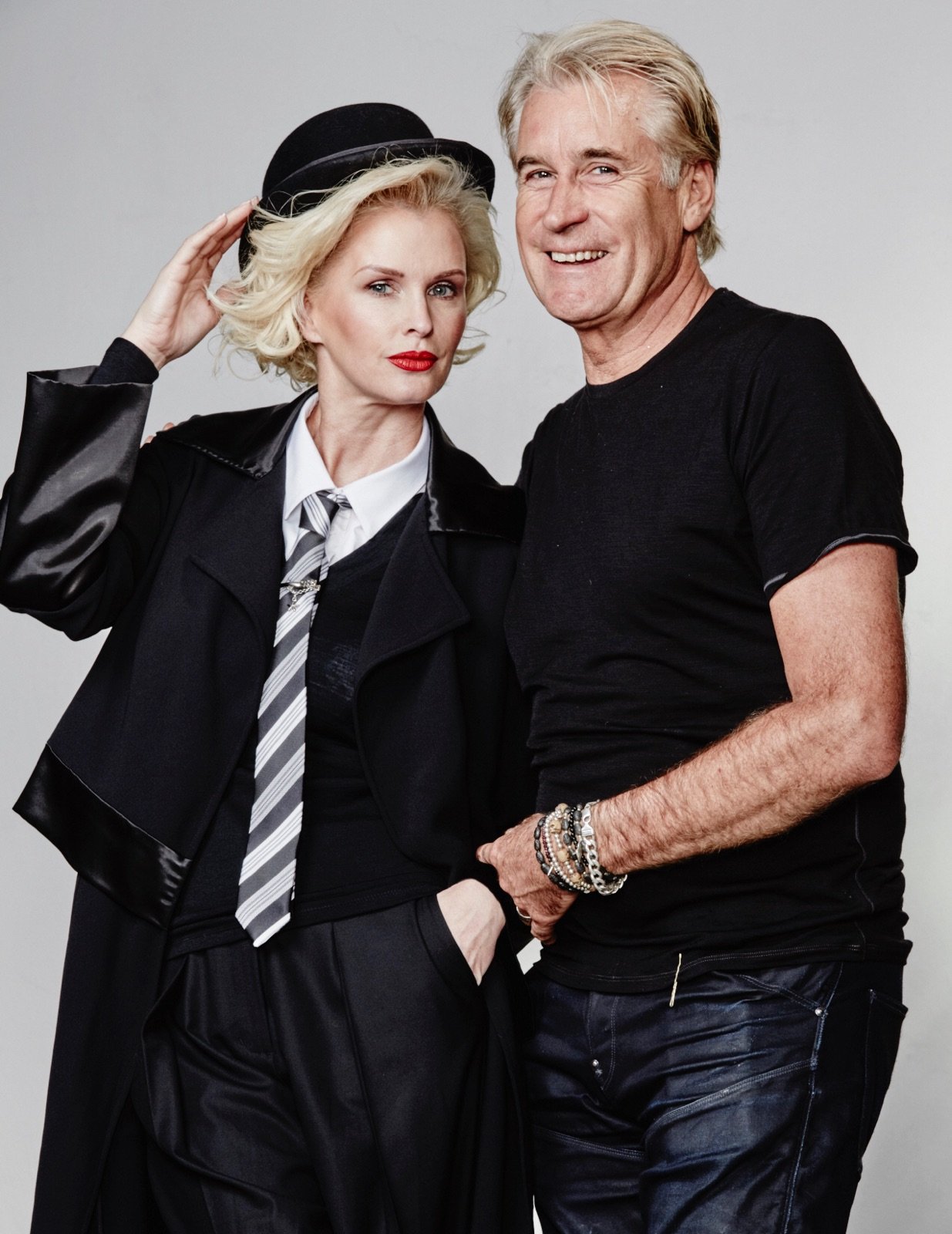
Grant Bettjeman, one of New Zealand hairdressing's most respected salon owners, educators, and industry leaders. Over a career spanning more than five decades, he has built award-winning salons, mentored generations of successful stylists, and remained a passionate advocate for professionalism, service, and excellence. Known for his infectious enthusiasm and people-first approach to leadership, Grant continues to inspire through his commitment to helping both clients and hairdressers reach their full potential.
The Love of the Industry
Why passion, purpose, and adaptability create longevity
WHAT KEPT YOU IN HAIRDRESSING WHEN OTHERS BURNT OUT?
Quite simply- The love of the industry! I’ve always felt I’ve had more to give. More clients to help feel great about themselves. More wonderful people to work with and inspire. To get more inspiration from an ever changing world of fashion and expectations.
WHAT DOES PRODUCTIVITY ACTUALLY MEAN TO YOU NOW VERSUS EARLIER IN YOUR CAREER?
I’ve always been a fast hairdresser doing between 15 and 20 services a day and in those earlier days it was all about what MY productivity was. Now it’s all about my teams productivity and how I can help them to be more productive. Being a commission based industry helps but not all hairdressers are motivated by their pay packet. In my experience all successful hairdressers are motivated by their pay-slip and that’s what makes them productive.
HOW DO YOU PROTECT YOUR CREATIVITY WHILE STLL RUNNING A SALON.
My forte is the creative side of the business and I actually can’t do both.I recognised my limitations early on and am very fortunate to have married someone who’s forte is running the financial side.If business is not your bag hand it over to someone who can. That was the “gold” in employing a coach.


"What an amazing career hairdressing is!
I've loved it all."
Building Great Teams
Leadership, culture, and developing future talent
Grant's success has never been measured solely by what happens behind his own chair. Throughout his career, he has focused on building environments where people can thrive. From employing business coaches to creating clear systems and expectations, he believes great salons are built on communication, appreciation, and shared vision. Here he discusses the leadership principles that have helped create strong teams and successful careers.
WHAT SYSTEMS OR ROUTINES MADE THE BIGGEST DIFFERENCE IN YOUR BUSINESS.
I think teams work best with clear goals and systems . If I had to choose the biggest single business breakthrough I had it was to employ a business coach. Once a month an outside motivational expert would guide us through sales, service and reward strategies. Every team member had goals, knew ours/theirs expectations and how they had preformed. Only the wins were celebrated and the monthly session was always positive and fun.Young apprentices and stylists grew up with a real knowledge of how to be both productive and successful. We have a weekly half hour staff meeting so everyone learns product knowledge, salon policy and our vision all together and all at the same time This makes for a very cohesive team.
WHAT MAKES PEOPLE STAY IN A SALON LONG TERM?
It is SO simple really. They have to know they are appreciated. Also that there is a future for them in your business and you constantly work with them on that. Good honest communication is key. Treat everyone as you would like to be treated. Take time to listen to what ever concerns them. Regular check-in meetings work wonders.
WHATS THE DIFFERENCE BETWEEN MANAGING STAFF AND BUILDING CULTURE?
Both are about leadership. Managing staff should be fun and rewarding. I love mine….mostly! On that rare occasion when I’m struggling I remember that they will be too so we need to communicate and I need to listen. Remember we have two ears and one mouth so use them in that ratio. At these times all the coaching and staff meetings show their real value and resolutions are normally easy to reach with a win win. Building culture is about sharing a clear vision of your expectations and standards. I’ve always found it easy to get a universal buy-in if the vision is clear. How do people feel when they are in your salon and what are they saying about your salon. That’s your culture.
WHAT TRAITS PREDICT SUCCESS IN YOUNG STYLISTS?
It starts with a ready SMILE and the ability to say YES! Add hunger and subtract procrastination and you are well on the way. My most successful young stylists have been a pleasure to train and have been the first to put their hands up to help both during work time and after hours on shows and shoots etc. All successful hairdressers both young and old have to 100% want to make their client feel great.

"They have to know they are appreciated. Also that there is a future for them in your business."
Excellence, Service & Legacy
Lessons from a lifetime behind the chair
Throughout Grant Betjeman's career, one principle has remained constant: excellence is about far more than technical skill. As client expectations have evolved, so too has the role of the hairdresser. Today, success requires a blend of craftsmanship, service, discipline, communication, and care. In this section, Grant reflects on what defines true professionalism, how creativity is developed and sustained, and the legacy he hopes to leave behind after a lifetime in the industry.
HOW DO YOU CREATE STANDARDS THAT LAST? WHAT SEPARATES TALENTED STYLISTS FRON TRUE PROFESSIONALS?
I’m a lead-by-example sort of guy. Osmosis is a great thing! Sometimes a gentle reminder is required but seldom. I don’t think anything separates talented stylists from true professionals.Service is what ties them together. Have you given the client the cut and colour you and he/she loves? Have you protected their hair with the treatment modern science allows? Do they have their next appointment? Do they have the take-home products they need to look after their hair? A talented and professional stylist would need to say yes to all of the above.
WHAT ADVICE IN HAIRDRESSING IS COMPLETELY OVER RATED?
My pet hate and, in fact , great shame is how we in our industry treat leaving staff. The hugely outdated over rated advice is “ protect your intellectual property at all costs”. Salon owners seem to forget that any and all formulas and client information legally belongs to the client. Also with social media where the stylist is going is very visible. So why not embrace the change sharing truthful information with the client while thanking them for their valuable business. Surely that epitomises good service.The kudos and the karma will come back to you and your business 10 fold.
HAS EXCELLENCE BECOME HARDER OR EASIER TO MAINTAIN?
In the 70’s when I started hairdressing excellence revolved around being able to do a short basic graduation cut and then panel-beat it into a shape with rollers, back-combing and hairspray. Throw in a perm to help it last a week and that was excellence. Now you have to be an architect, a scientist , a psychologist , a social media guru and a master in Hospo! Excellence has become all encompassing.
WHAT ROLL DOES DISCIPLINE PLAY IN CREATIVITY?
I have come to realise creativity is full of doubt. So many times when I have been creating look for a photo shoot or a show I’ve wondered if I’d be laughed off the stage or the page. So if there is a discipline required in creativity it is SELF DISCIPLINE. Keep pushing yourself and believe that what you are creating is the best you can do. Keep going until that little bell inside you rings success.
WHAT DOES A SUCCESSFUL LIFE IN HAIRDRESSING ACTUALLY LOOK LIKE TO YOU NOW?
No debt. Money in the bank. The ability to lie straight in my bed knowing that I have always treated everyone fairly and with respect. The thought that I’ve given back to my industry. Pride in creating a memorable brand. Being at least partly responsible for the careers of many very successful hairdressers out there. But most of all knowing that I’ve helped so many people feel better about themselves. What an amazing career Hairdressing is! I’ve loved it all!
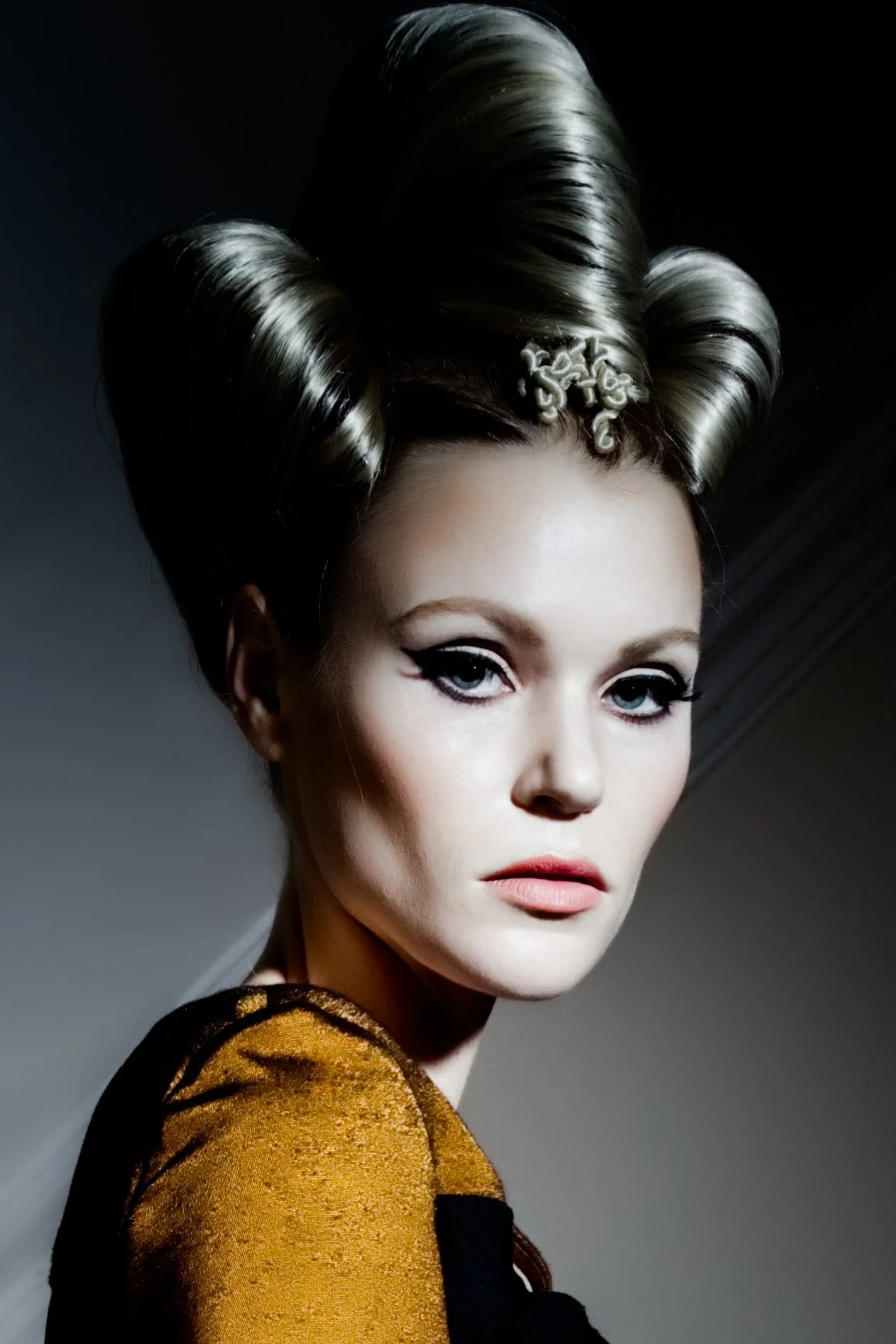

"A talented and professional stylist would need to say yes to all of the above."
Gene Cooksley
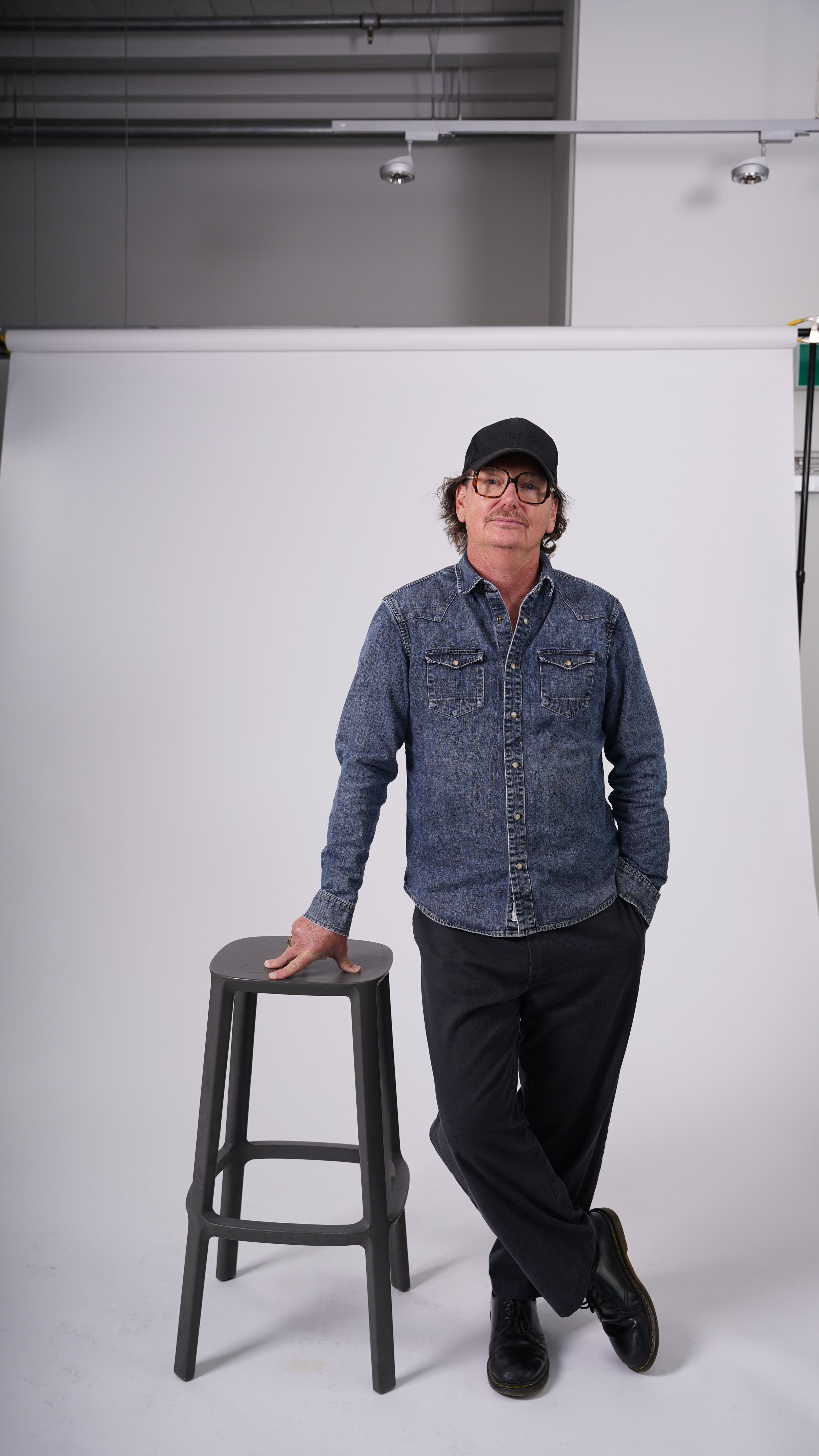
Few figures have had a broader influence on modern New Zealand hairdressing than Gene Cooksley. Across a career spanning decades, Gene has continually challenged convention, combining creative vision with an uncompromising commitment to raising industry standards.
Known for his sharp eye, strong opinions, and passion for developing people, Gene has spent much of his career championing creativity, education, and the idea that hairdressing should constantly evolve. Whether building salon cultures, creating opportunities for emerging talent, or helping shape industry conversations, his impact extends far beyond the clients who have sat in his chair.
The Evolution Mindset
Why longevity in hairdressing is about movement, not survival
What kept you in hairdressing/pulled you back in when others burned out?
What I love about the industry is that you can keep evolving, moving, and changing...
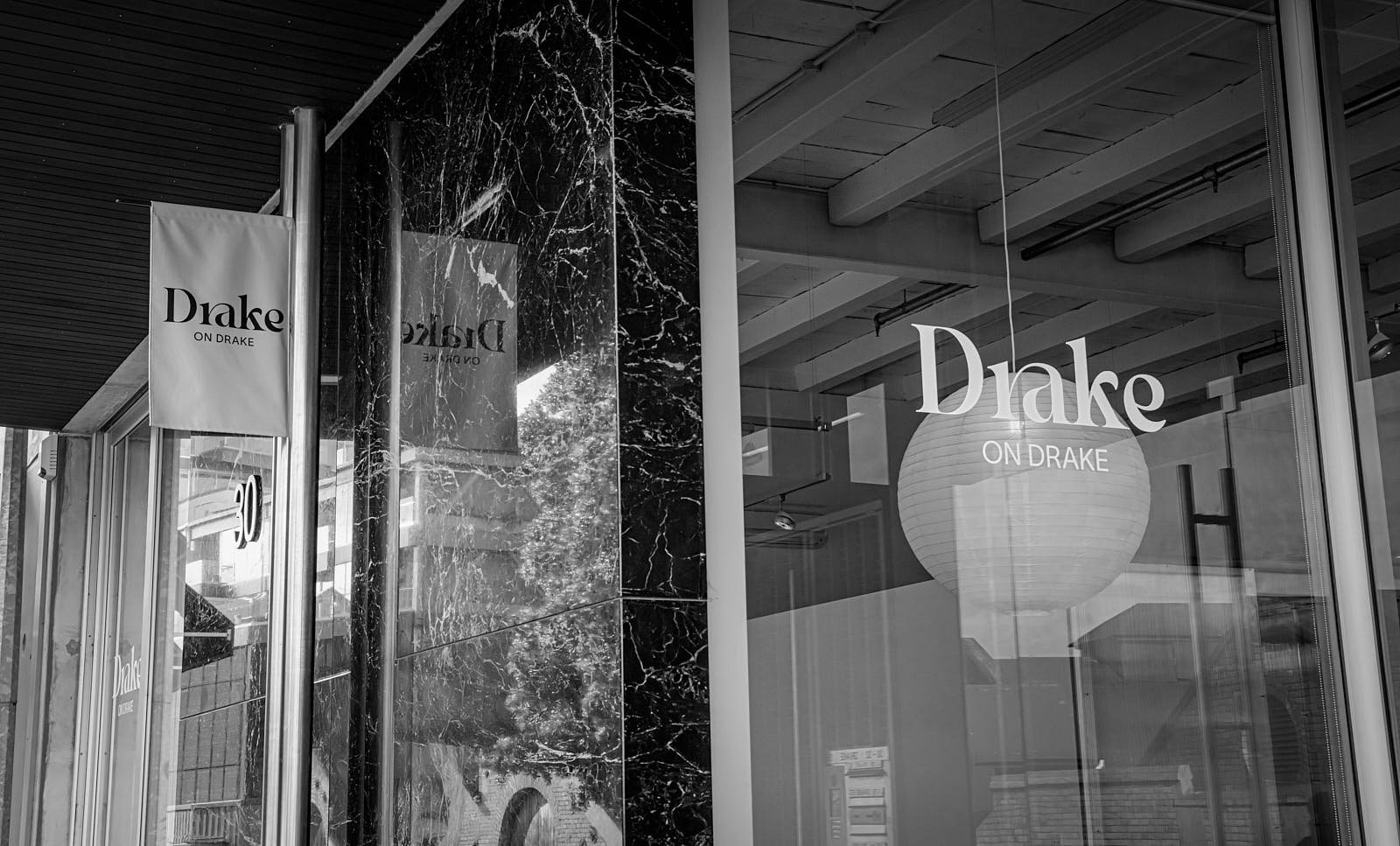
I’ve been lucky enough to build multiple hairdressing brands over the years (I think the current one Drake On Drake is the 12th physical salon I’ve built).
With a friend I started a hairdressing magazine called TRADE because I was so disappointed with the industry ones around at that time. Our goal was to celebrate New Zealand hairdressing and New Zealand hairdressers (rather than the dated international shit we were being fed here). It meant I got to interview and give a leg-up to some really cool people.
Foolishly I rose through the ranks of the National Hairdressing Association and ended up being president of the NZARH for a while. Doing things by committee was a real challenge but it allowed me to convey what I thought needed to happen in the industry.
I think burnout comes when you stagnate.
What does productivity actually mean to you now versus earlier in your career?
When I first started and right through for a couple of decades, productivity meant doing bigger figures and working longer hours than anyone else in the team. Productivity now means helping others realise their dreams; up-skilling people that are maybe a little bit disillusioned. I’ve always seen more potential in others than they see in themselves.
How do you know when to evolve versus stay true to your identity?
Evolving is what the industry is about, and the market will tell you when. If you hold on to one set way of doing things you’ll have to hope it comes back into fashion in 20 years time. That idea bores the hell out of me. Staying true to your identity should be about quality; and that doesn’t need to change.
Any major industry shifts forced you to adapt?
Nothing has really forced me to adapt. I’m always hoping that something new is coming so that we want to adapt. That’s the rad thing about the industry.
What does relevance look like after decades in hairdressing?
At this stage staying relevant is not wanting/expecting to be PLAYING in the first team but realising what you offer is COACHING the first team. I love going to seminars and laughing at old guys who haven’t realised they should stand to one side and let the new group of players come through. (Old guy sports analogy😂)
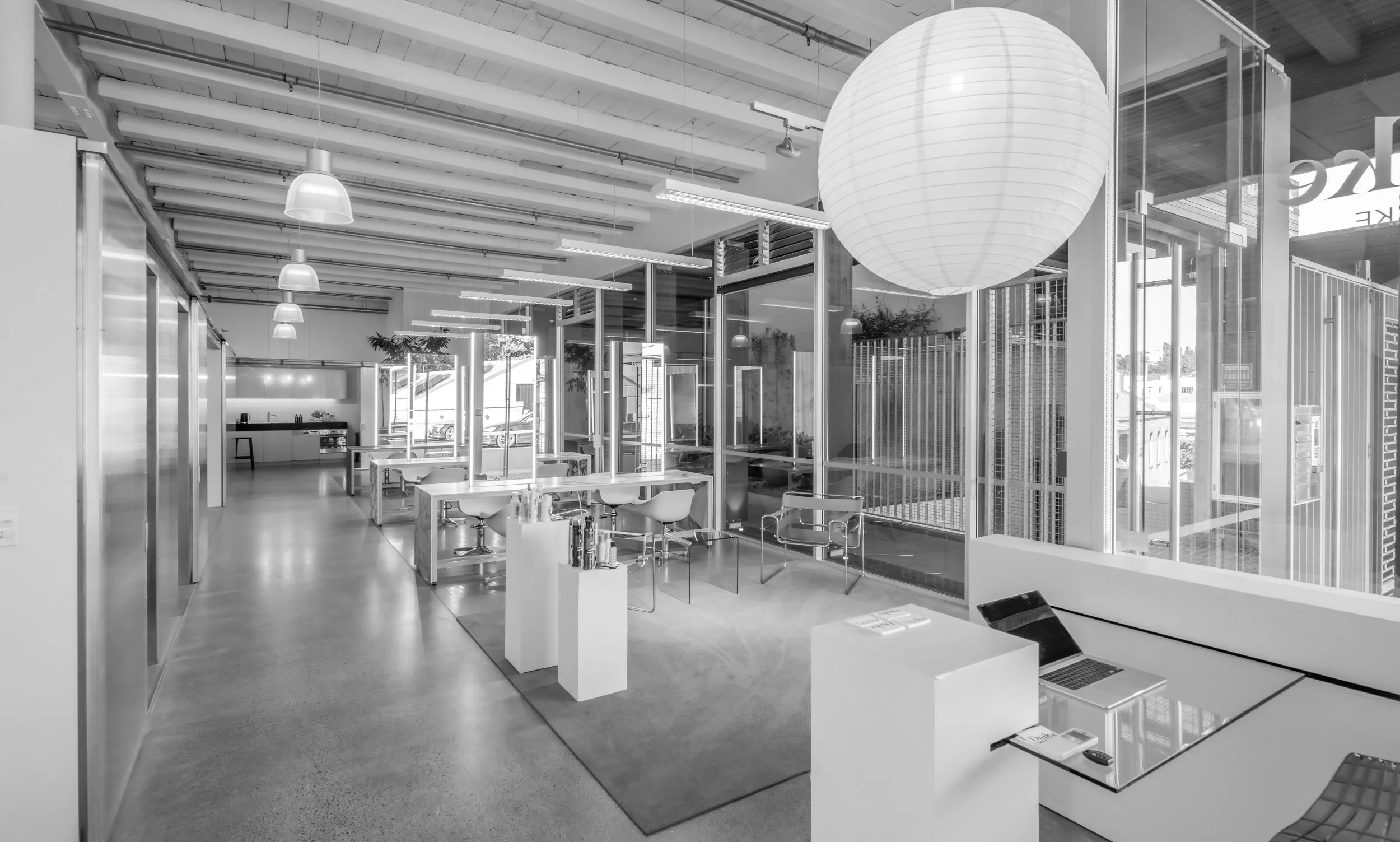
Building Businesses That Outlast You
Systems, leadership and creating something bigger than yourself
What systems or routines made the biggest difference in your business?
Systems have been probably the biggest reason that my previous businesses have worked. That and obviously the quality of people that I’ve been lucky enough to work beside. With my apprenticeship and my first salon, actually my first couple of salons, it was all rock ‘n’ roll and ‘fuck anyone who thought differently from us’. We would literally fight people whowe thought shouldn’t be in the industry. Once I started to systemise the salons things were a little less erratic. And it’s lovely to see previous businesses that I’ve sold still running - because of the systems in place and not the personalities involved.
What makes people stay in a salon long-term?
I think it’s about having a vision and a sense of team & community. For me I’ve always been pretty definite about where we’re going as a group. It’s “lead, follow, or get out the way” and I’ve been really lucky with the people I’ve worked alongside who appreciate that. Plus paying people correctly seems to contribute to longevity.
What’s the difference between managing staff and building culture?
Managing staff sounds a bit shit to me. Building culture is about treating people like the adults they are and finding what works for them. Once you find the people that want to do beautiful work/creative work and whatever ticks their boxes, you’ve got a team that wants to be great. That inturn creates a culture. Then it becomes ‘us against the world’. Plus music/fashion/sex & drugs & rock ‘n’ roll always help. 😂
What traits predict success in younger stylists?
An open mind and a fire for wanting something better, which in turn leads to a great work ethic and a willingness to take advice & learn from others.
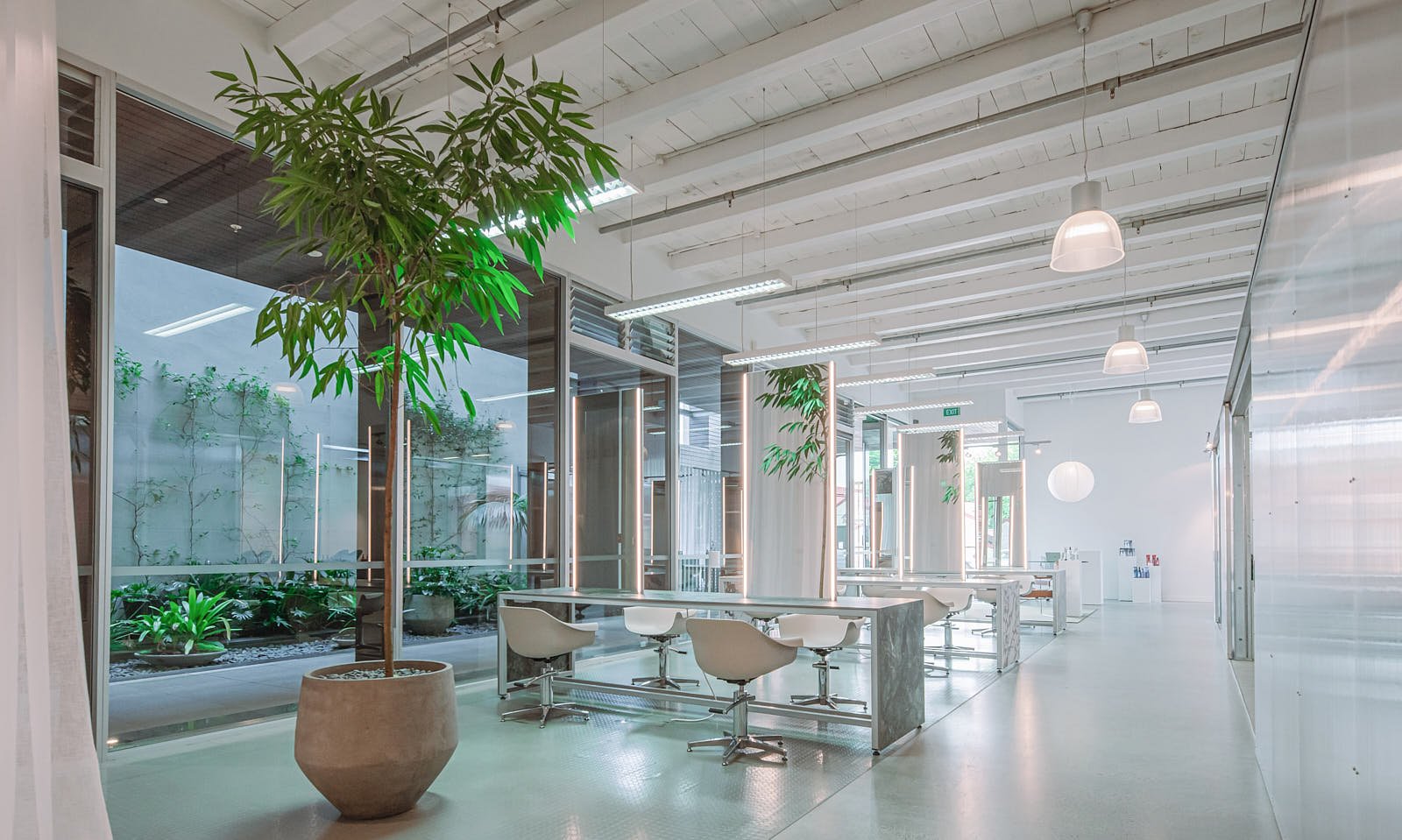
The Future According to Gene
What the industry gets right, what it gets wrong, and where it's heading next
What advice in hairdressing is completely overrated?
Probably the first thing that comes to mind is doing a hairdressing course before you start any work in a salon. Just do an apprenticeship.
Which changes improved the industry and which weakened it?
I’m not sure what changes have improved the industry as I’ve always enjoyed it anyway. Probably the biggest thing that has weakened it is home hairdressing and rent-a-chair or shared salon suites. I understand people thinking that they are getting a greater percent of the revenue day to day, but they don’t seem to understand the value of community and inspiration you get from working in a team. I also think barbers and chain-salons have created a race to the bottom as far as quality and pricing goes. I hope that doesn’t piss anybody off. But if you see me out, buy me a Negroni and I will explain
How do you protect your creativity whilst still running a business?
Protecting my creativity is something I never valued and I do regret that a little bit. I just assumed it would stay with me no matter how rock ‘n’ roll my lifestyle was. I now value breaks away from the industry to get fresh eyes and build up the energy & love I have for it. Then it’s easy to come back with creativity and vision.
What does a successful life and hairdressing actually look like to you now?
Success in hairdressing for me doesn’t need to change that much just because I’ve been in it for so long. It’s still about trying to make a dollar and being of service to the people I work with and the industry as much as I can, so that hopefully others have the same ridiculously great life it’s afforded me 👊